


Midcentury modern architecture wasn’t just a style, it was a complete rethinking of how people live.
From the 1930s through the 1960s, architects across the United States began experimenting with open plans, industrial materials, and a stronger connection to nature.
What emerged wasn’t a single style, but a shared philosophy: homes should feel lighter, more flexible, and more connected to their surroundings. The goal was simplicity, functionality, and a kind of optimism about modern life.
And some of the standout homes from that era did more than just follow the movement, they defined it!
These are the houses that shaped American architecture, influenced generations of designers, and still feel strikingly modern today.
Fallingwater in Mill Run, Pennsylvania: where architecture and nature became one
Designed by Frank Lloyd Wright in 1936, Fallingwater is often considered the most famous house in America.
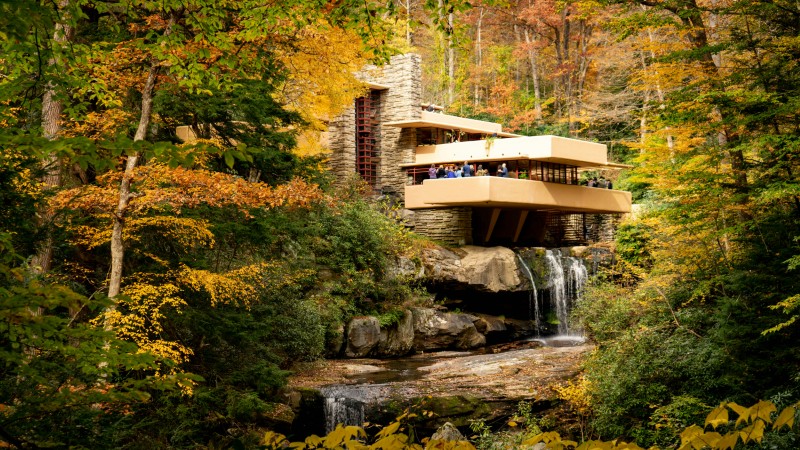
Built directly over a waterfall in the wooded hills of Mill Run, Pennsylvania, the home uses dramatic cantilevered terraces that extend over the stream, making the structure feel like part of the landscape rather than something placed on it.
It introduced a powerful idea that would define midcentury design: that architecture should work with nature, not against it.
Farnsworth House in Plano, Illinois: the ultimate minimalist glass box
The Farnsworth House, designed by Ludwig Mies van der Rohe, is one of the purest expressions of modernist philosophy.
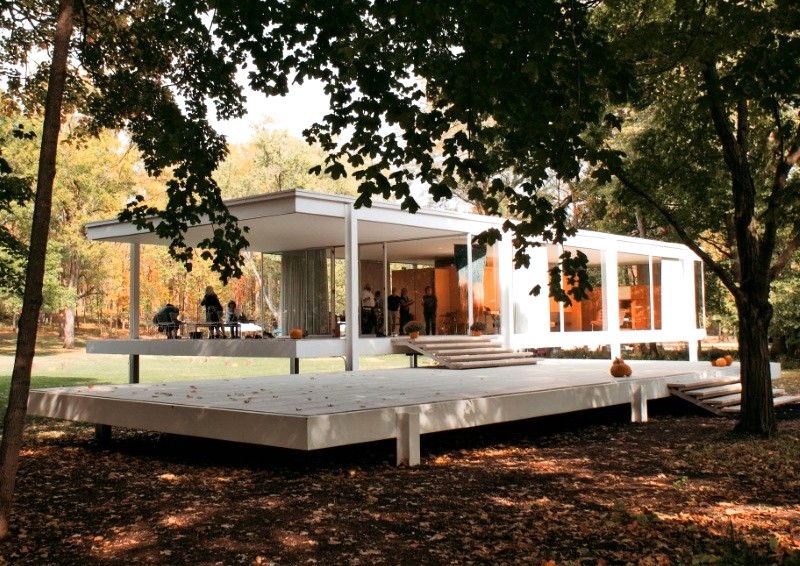
Completed in 1951, it reduces the idea of a house to its bare essentials: a steel frame, glass walls, and an open interior. The boundaries between inside and outside almost disappear.
It’s often cited as a defining example of the “less is more” approach that shaped modern architecture.
The Glass House in New Canaan, Connecticut: transparency taken to an extreme
Built in 1949 by Philip Johnson, the Glass House takes the ideas of the Farnsworth House even further.
The structure is essentially a transparent pavilion, with floor-to-ceiling glass on all sides and very little separation between living spaces.
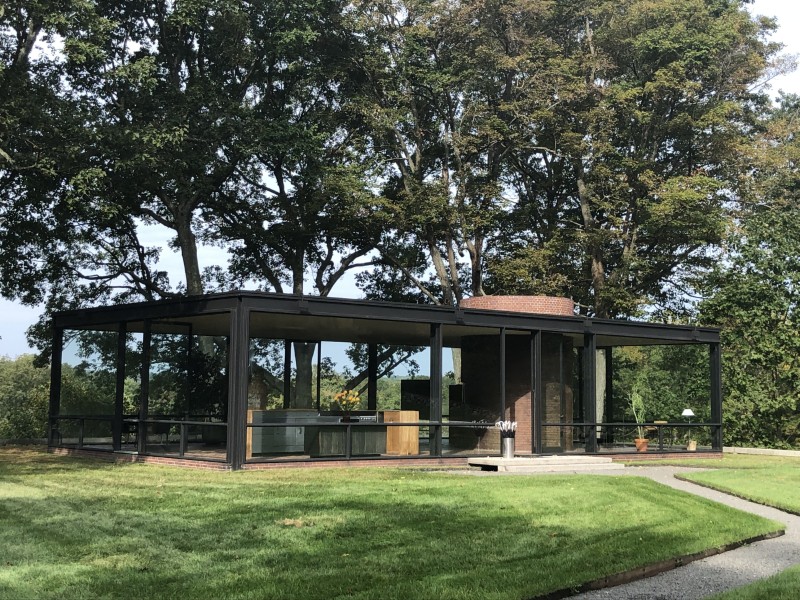
It’s less about privacy and more about experience — a house that turns the surrounding landscape into the main visual element.
Eames House in Pacific Palisades, California: a lived-in version of modernism
The Eames House, also known as Case Study House No. 8, was completed in 1949 by Charles Eames and Ray Eames.
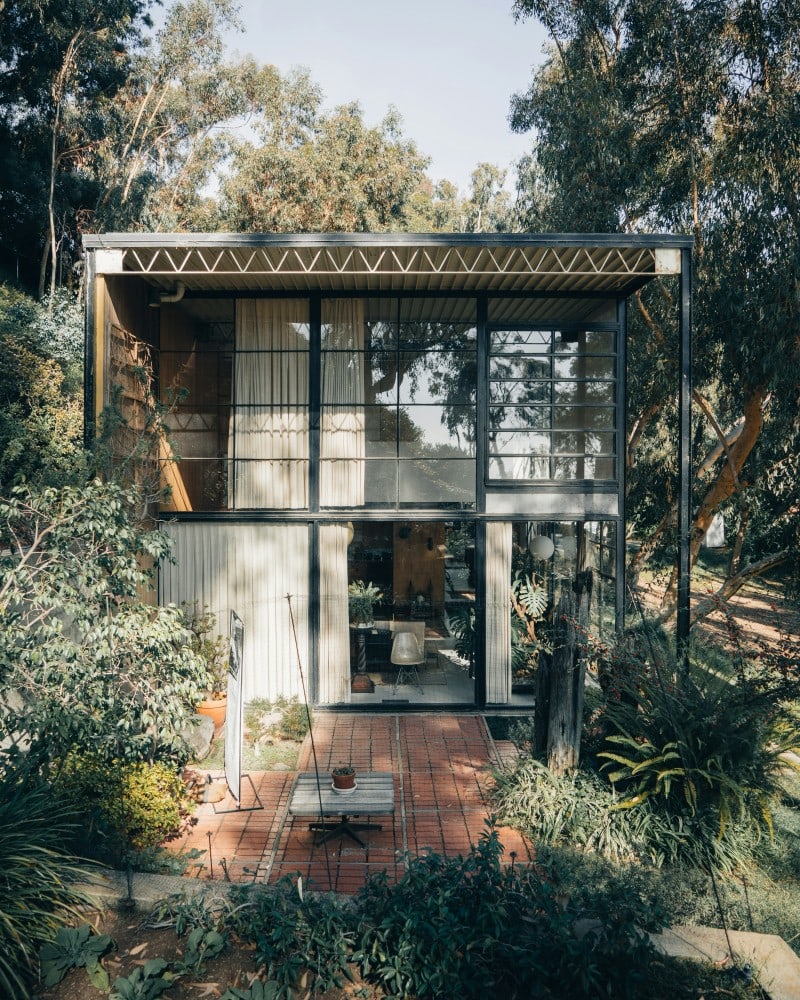
Unlike more austere modernist homes, this one feels personal and lived-in. Built using prefabricated materials, it was part of an effort to create affordable, modern housing after the war.
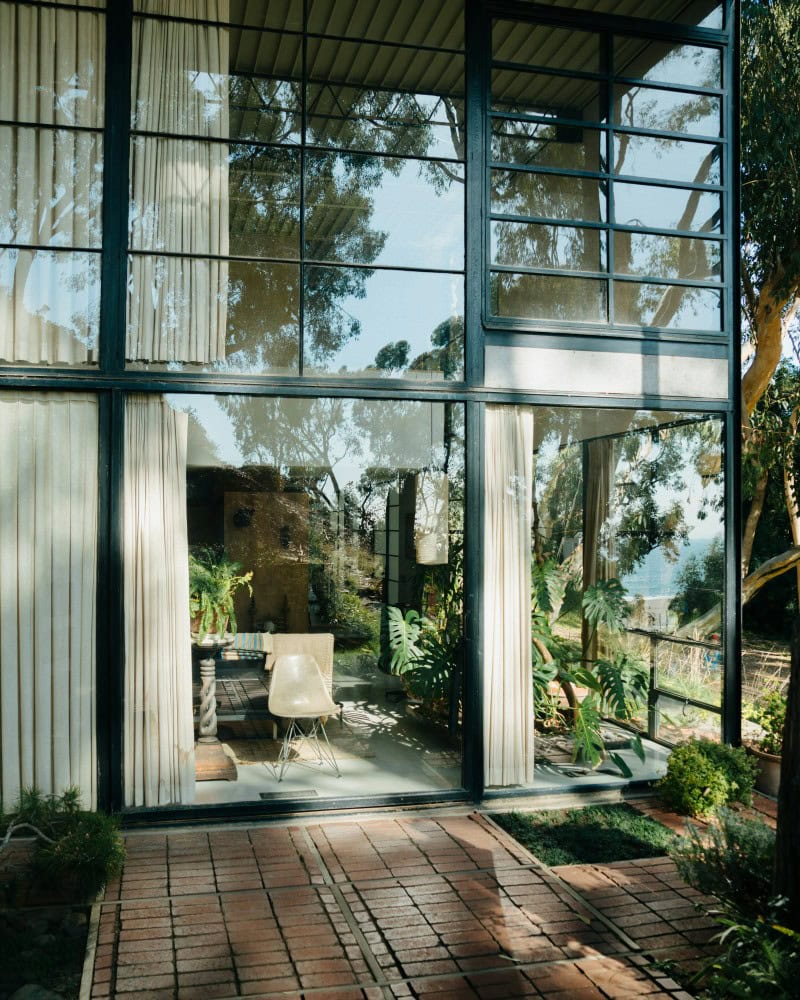
It showed that modern design could be warm, flexible, and deeply human.
Stahl House in Los Angeles, California: the image that defined midcentury LA
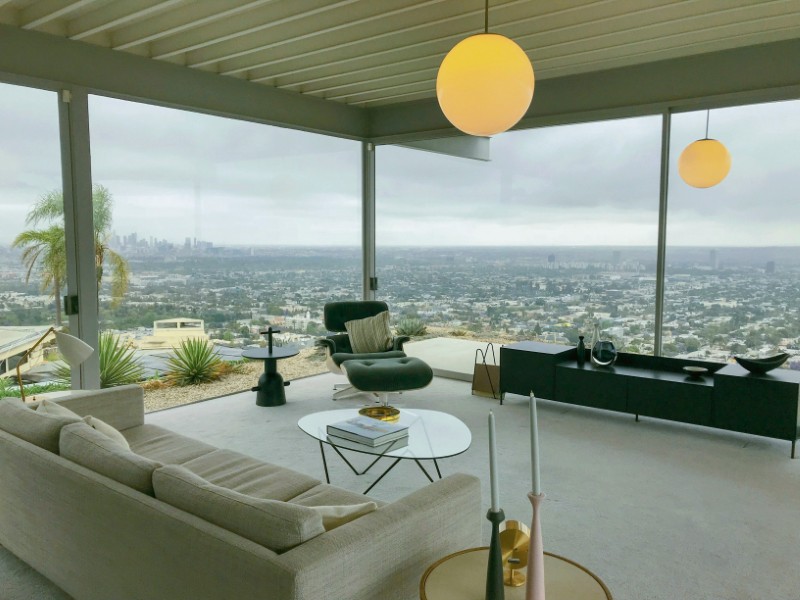
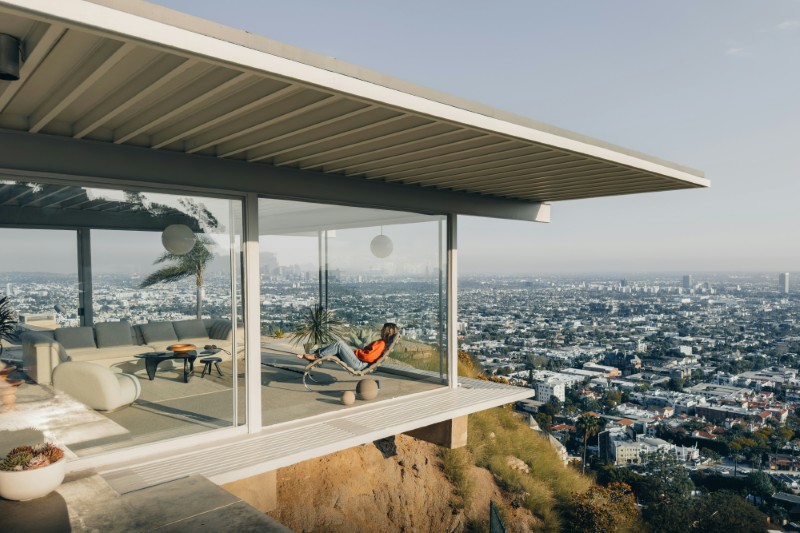
Perched above Los Angeles, the Stahl House (Case Study House No. 22) became one of the most photographed homes in the world.
Designed by Pierre Koenig in 1959, its glass walls and dramatic cantilever make it feel like it’s floating above the city.
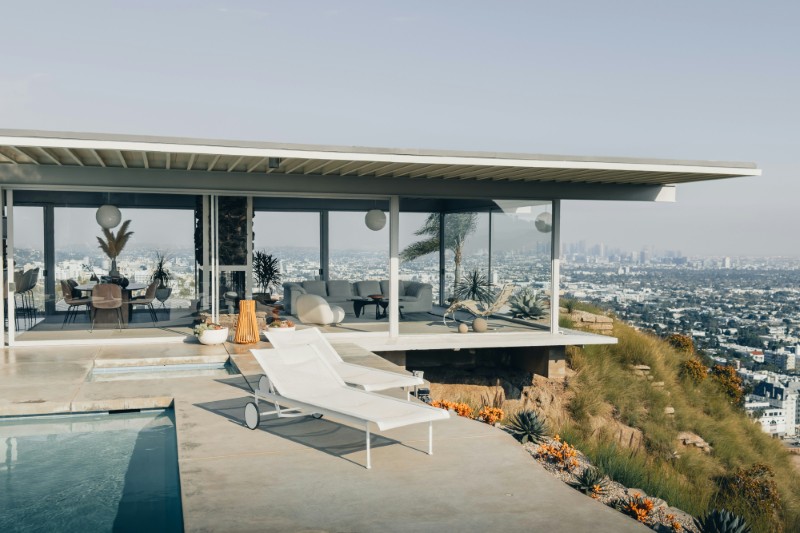
Its famous nighttime photograph helped define the visual identity of midcentury modern living.
Kaufmann House in Palm Springs, California: desert modernism at its best
Designed by Richard Neutra in 1946, the Kaufmann House is a masterclass in desert modernism.
The home uses long horizontal lines, glass walls, and shaded outdoor areas to respond to the harsh desert climate while maintaining a seamless indoor-outdoor connection.
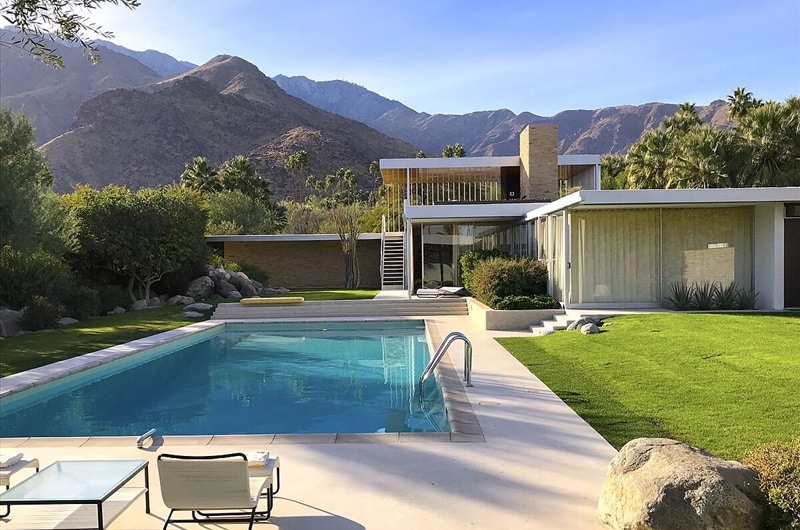
It remains one of the most influential examples of climate-responsive modern design.
Schindler House in West Hollywood, California: a radical rethinking of domestic life
Built in 1922 by Rudolph Schindler, the Schindler House was far ahead of its time.
Designed as a shared live-work space for two families, it eliminated traditional ideas of rooms and instead focused on flexible, communal living.
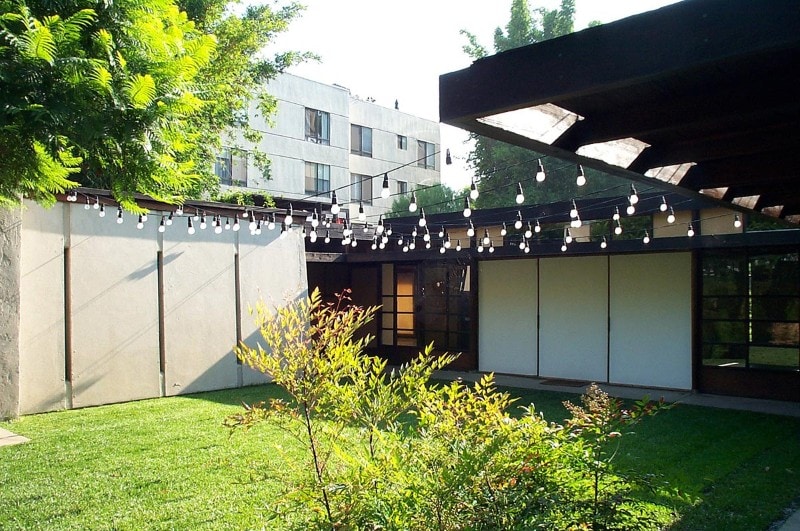
It influenced generations of architects exploring open plans and alternative ways of living.
Hollyhock House in Los Angeles, California: the early roots of California modernism
Another important work by Frank Lloyd Wright, the Hollyhock House blends modern ideas with influences from ancient architecture.
Completed in the early 1920s, it helped lay the groundwork for California’s indoor-outdoor lifestyle and later midcentury developments.
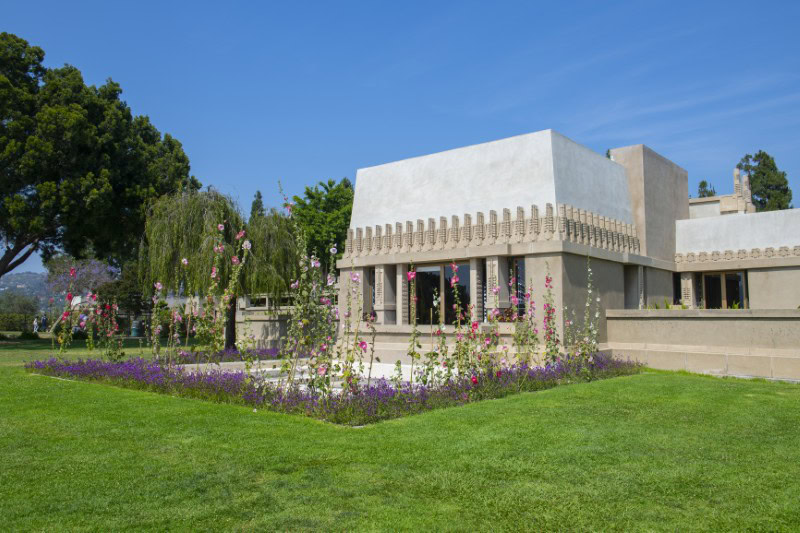
It’s also the only UNESCO-listed site by Wright in Los Angeles.
Lovell House in Los Angeles: introducing steel-frame construction for residential use
Designed by Richard Neutra and completed in 1929, the Lovell Health House is one of the earliest and most influential modernist homes in the U.S.
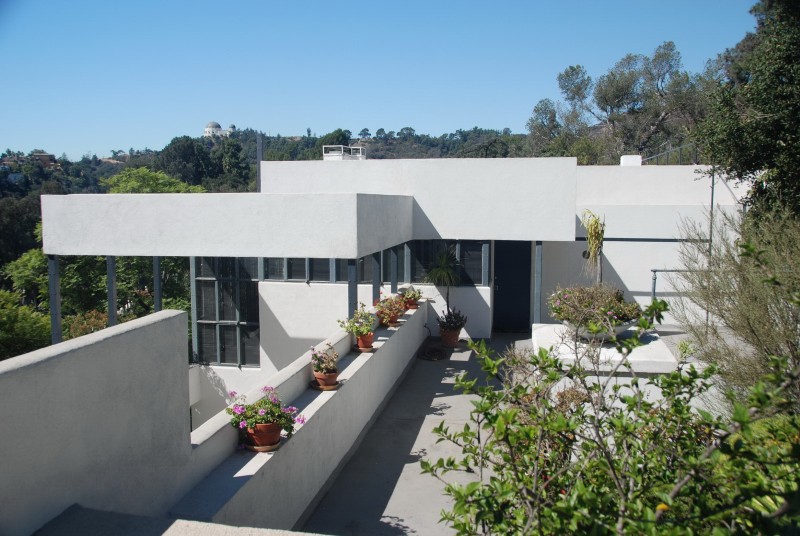
Located in Los Angeles, it introduced a steel-frame construction system more commonly used in commercial buildings at the time. The house also emphasized health, sunlight, fresh air, and outdoor terraces — ideas that became central to midcentury living.
It’s often seen as a direct precursor to midcentury modernism, bridging European modernist ideas with California living.
Chemosphere in Los Angeles, California: taking the expressionist part of midcentury design to next levels
Completed in 1960 by John Lautner, the Chemosphere is one of the most visually striking homes ever built.
Located in Los Angeles, the octagonal house sits on a single concrete column on a steep hillside, giving it a futuristic, almost floating appearance.
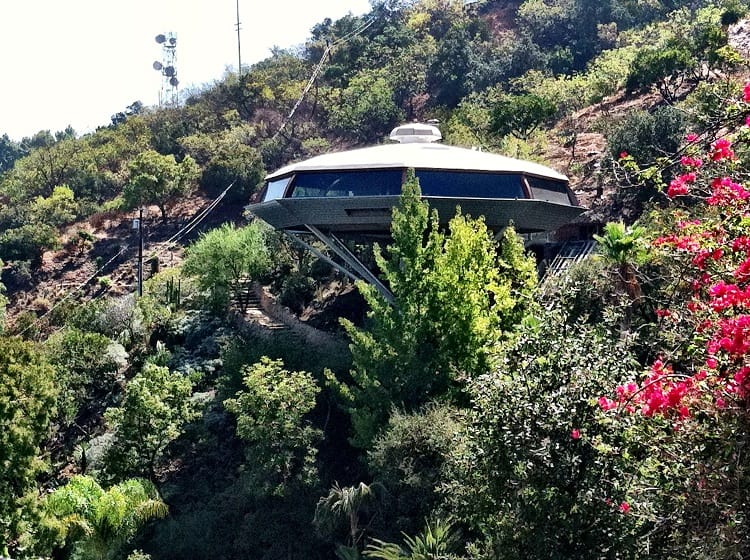
It represents the experimental, expressive side of midcentury design, where engineering and sculpture meet.
Platform Houses overlooking the canyon in Sherman Oaks, Los Angeles, California
Set along the steep hills of Sherman Oaks, Los Angeles, the Platform Houses designed by Richard Neutra and his firm in the early 1960s show how midcentury modernism adapted to challenging terrain without losing its clarity.
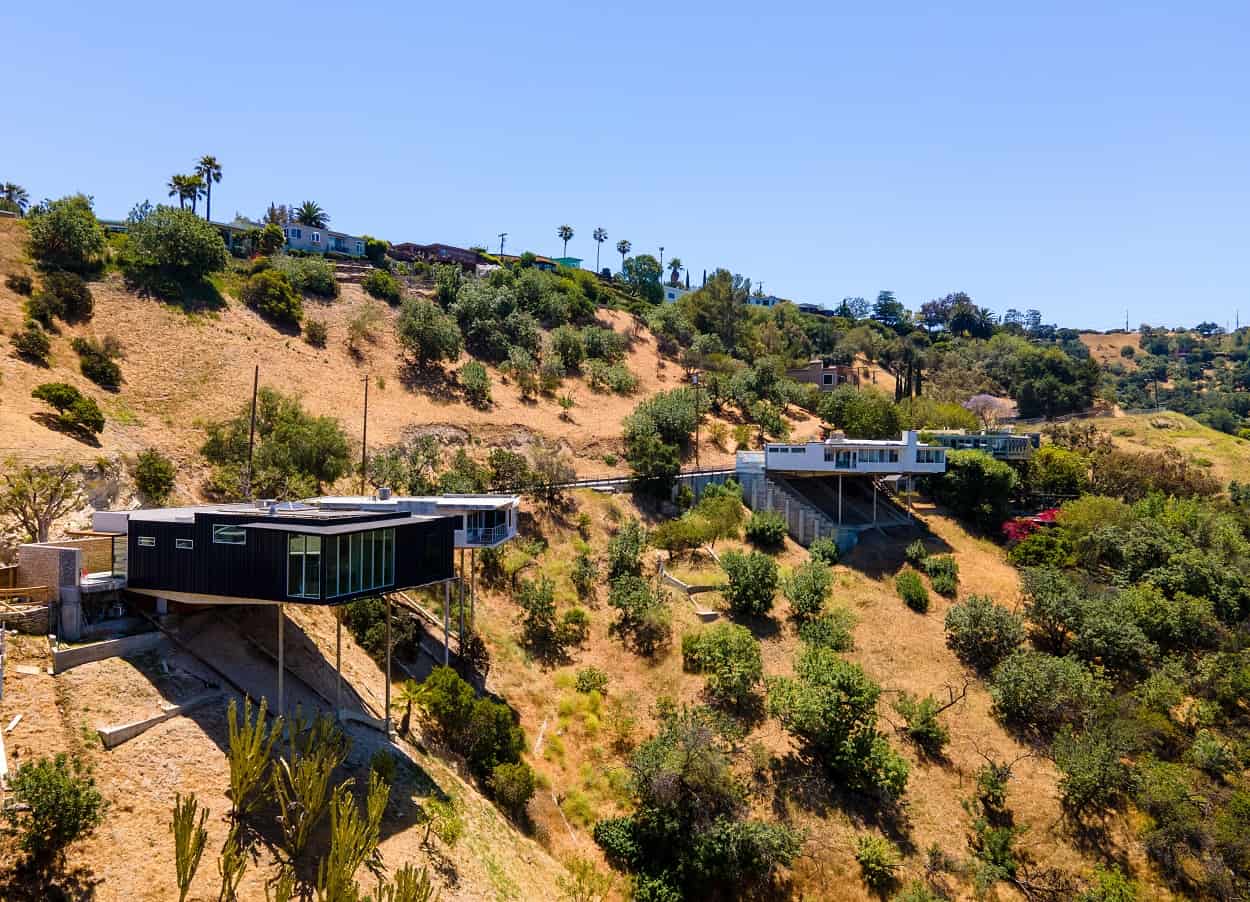
Instead of reshaping the hillside, each home is built on a horizontal platform anchored into the slope, allowing the structure to extend outward while keeping the land largely intact.
The result is a series of houses that appear to hover above the landscape, with long, low rooflines and expansive glass reinforcing that sense of lightness.
The rest of the Case Study homes
While we’ve already highlighted select ones (Case Study House No. 8, the Eames House and Case Study House No. 22, the Stahl House, listed above), we’d be remiss if we didn’t give a shout-out to the rest of the homes in the Case Study House program.
The groundbreaking initiative was launched by Arts & Architecture magazine in the mid-1940s to explore how modern architecture could be applied to everyday postwar living.
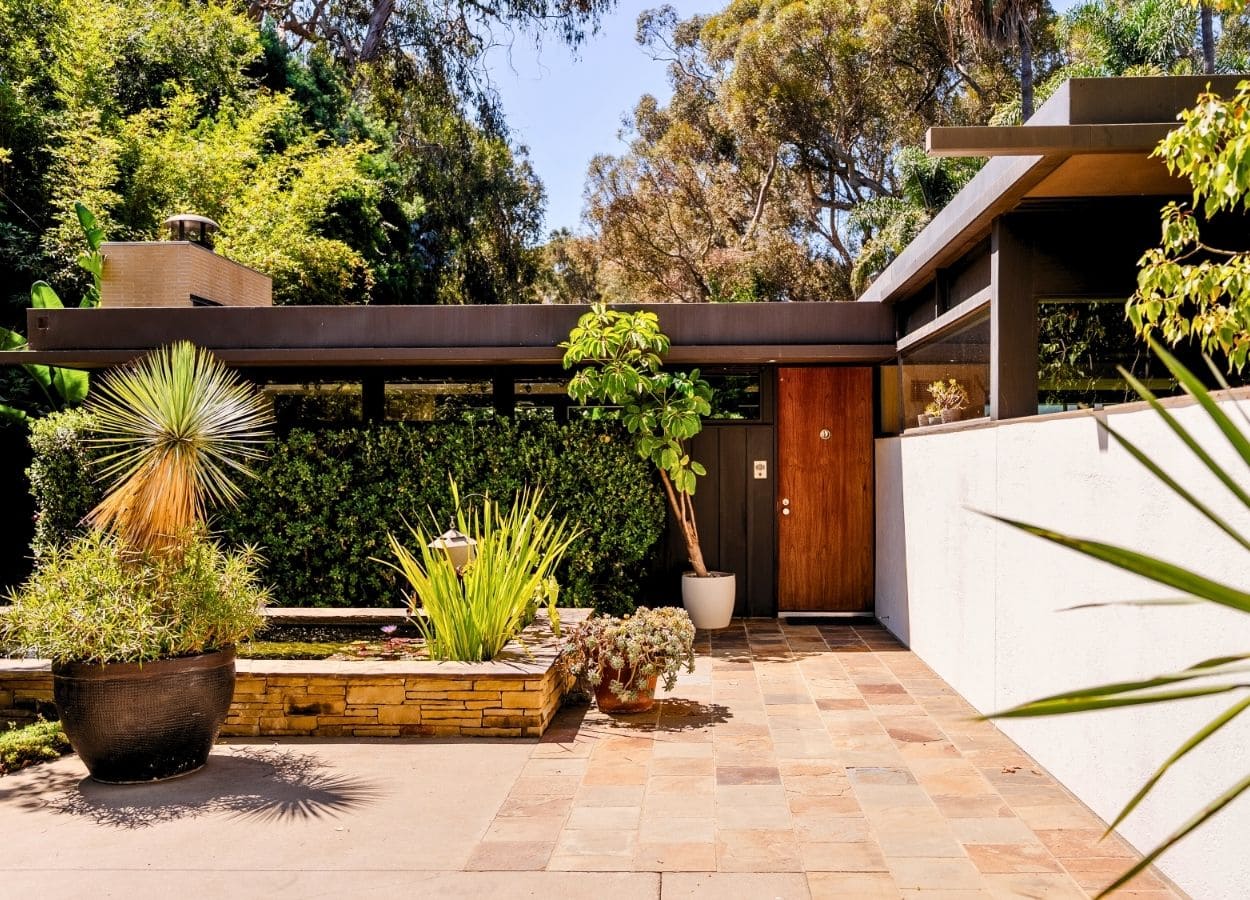
The result was a series of experimental prototypes from some of the era’s most important architects — including Charles Eames, Ray Eames, Pierre Koenig, and Craig Ellwood — who took up the challenge to design homes that were efficient, modern, and reproducible.
Taken together, the Case Study Houses arguably represent the most concentrated expression of midcentury modern ideals in residential architecture, and we’re lucky to see one pop up on the market every now and then.
In fact, most if not all of them deserve inclusion in any list of the country’s most important modern homes.
The often-forgot revolutionary nature of midcentury modern homes
What ties all of these houses together isn’t just style. They introduced ideas that are now taken for granted like open floor plans, floor-to-ceiling glass, indoor-outdoor living, and minimal structure with maximum effect.
At the time, these were all radical concepts. Today, they’re everywhere.
And we only get to experience the benefits because of visionary architects who dared ask simple, but powerful questions:
What if walls didn’t separate us from nature?
What if rooms flowed into each other?
What if a home could be both functional and beautiful at the same time?
And in answering those questions, these houses became more than just places to live. They became the blueprint for modern life.
Больше историй
9 Famous homes that have forever changed American architecture
22 дома Фрэнка Ллойда Райта, о которых вы, вероятно, никогда не слышали
Authentic 1963 L.A. home shows midcentury modern at its finest
Пост The most important midcentury modern homes in the entire country впервые появился на Дома с модными брюками.

 English