


Five years ago, the map of luxury real estate felt fairly predictable. If a buyer had a seven-figure budget, the conversation usually circled around the same handful of places — New York, Los Angeles, San Francisco, maybe Miami.
That map looks very different now.
A mix of rising prices, remote work, and shifting priorities has pushed buyers to look beyond traditional luxury hubs.
And in the process, a new set of cities has quietly emerged, places that weren’t even part of the high-end conversation a few years ago, but are now seeing serious money, ambitious new builds, and a different kind of buyer.
What’s notable isn’t just that these markets are growing. It’s that they’re starting to deliver something that feels like modern luxury: space, design, and lifestyle, without the tradeoffs that have come to define the coasts.
Here are a few of the places leading that shift.
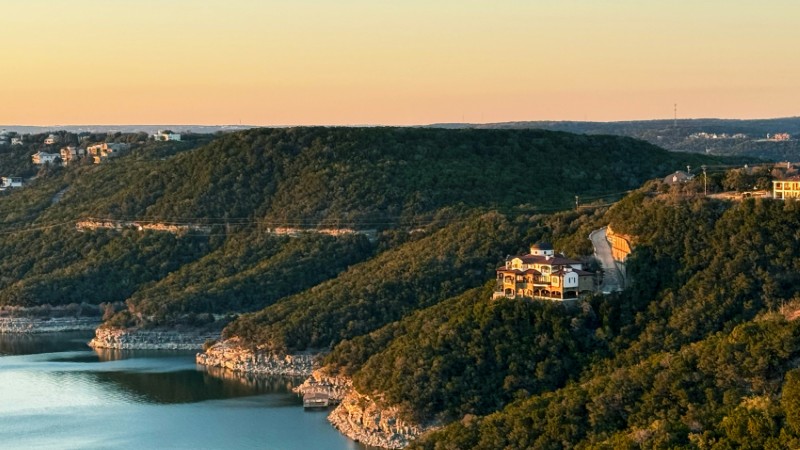
Austin, Texas is no longer “up-and-coming”, it’s fully arrived
Austin has spent years on the “watch list,” but the past five years have pushed it firmly into luxury territory.
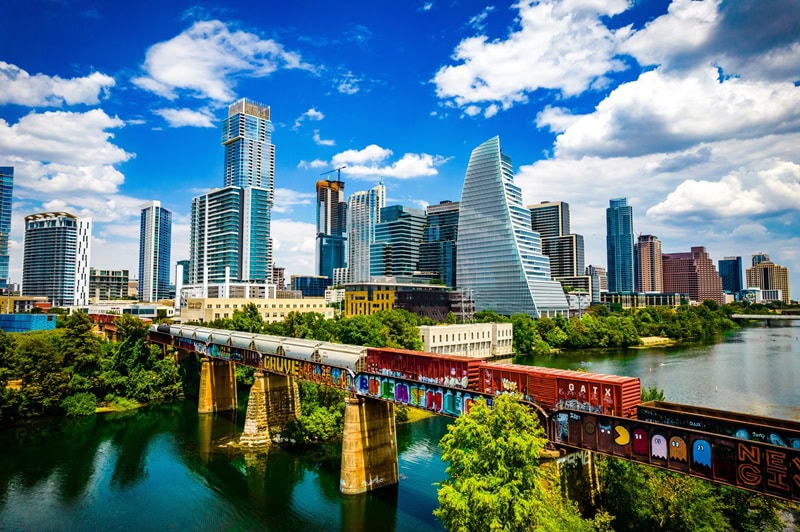
What changed is scale. High-end construction has caught up with demand, bringing in architect-designed homes, modern builds with clean lines, and neighborhoods that now feel intentionally developed rather than pieced together.
Tech money and out-of-state buyers have only accelerated that shift.
It still offers more space than coastal markets, but the gap is closing — and fast. What used to feel like a value play is now a competitive luxury market in its own right.
Nashville, Tennessee is turning growth into high-end appeal
Nashville’s rise has been steady, but its luxury market feels relatively new.
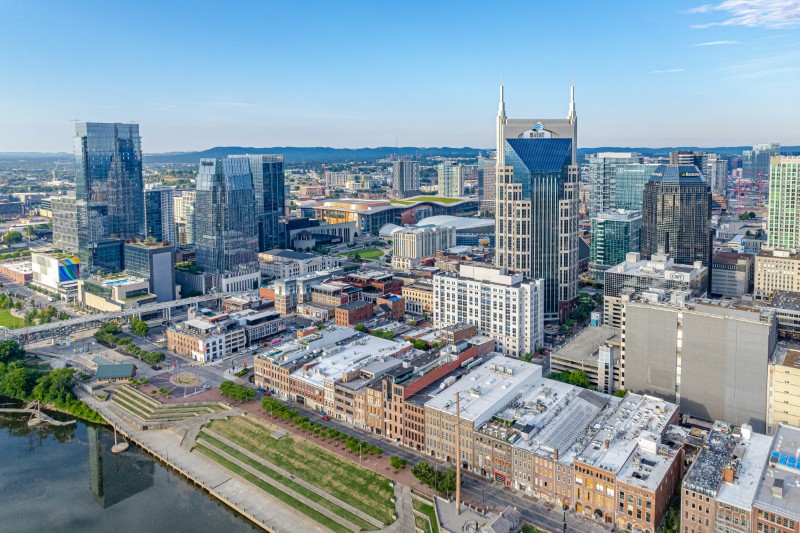
The city’s expansion brought an influx of new construction, and with it, a noticeable upgrade in design quality. Larger homes, more thoughtful layouts, and a focus on indoor-outdoor living have started to define its higher-end offerings.
It doesn’t carry the same legacy prestige as older luxury cities, but that’s part of the appeal. For many buyers, it feels like a place where luxury is still being defined rather than preserved.
Boise, Idaho became a lifestyle-driven luxury market almost overnight
Boise wasn’t part of the luxury conversation five years ago. Now, it’s one of the clearest examples of how quickly that can change.
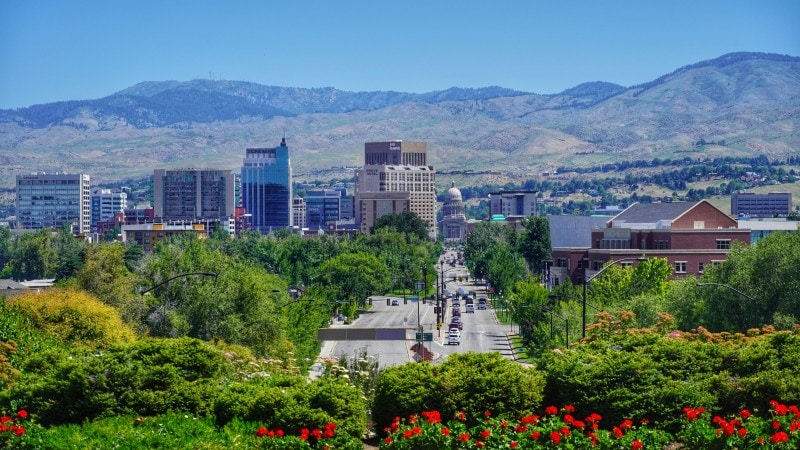
The appeal is straightforward: access to nature, a slower pace, and homes that offer significantly more space than buyers would find in larger metros. As demand surged, so did the quality of housing, with newer builds reflecting more modern design sensibilities.
What makes Boise stand out is how strongly it’s tied to lifestyle. Buyers aren’t just purchasing homes—they’re buying into a different way of living.
Bentonville, Arkansas is quietly attracting serious money
Bentonville might be one of the least expected names on this list, but it’s increasingly hard to ignore. Particularly following Walmart’s 2025 announcement of a 350-acre campus, which sparked a real estate boom (with HGTV’s Tarek El Moussa among the investors).
Driven in part by corporate presence and investment in the area, the city has seen a wave of development that includes custom homes and thoughtfully designed properties that weren’t common here a decade ago.
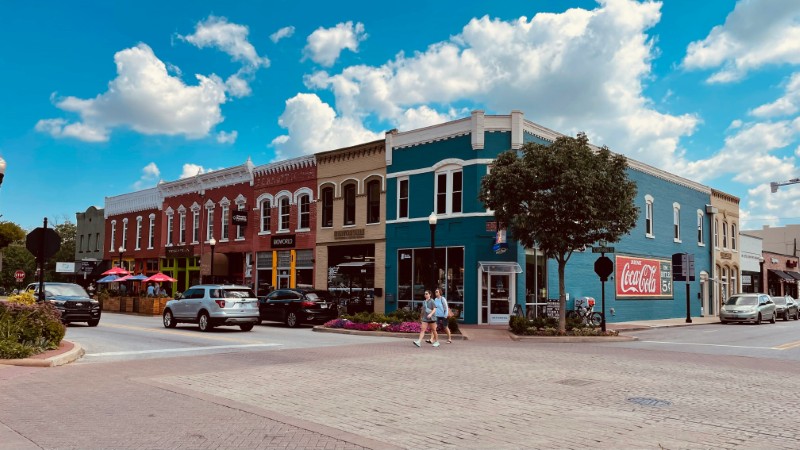
Cultural additions and amenities like museums, trails, and public spaces have also raised its profile.
It’s still early compared to other markets, but that’s exactly what makes it notable. The foundations of a luxury market are being built in real time.
Greenville, South Carolina is emerging as a polished Southern alternative
Greenville has been quietly gaining attention, but its appeal has sharpened in recent years.
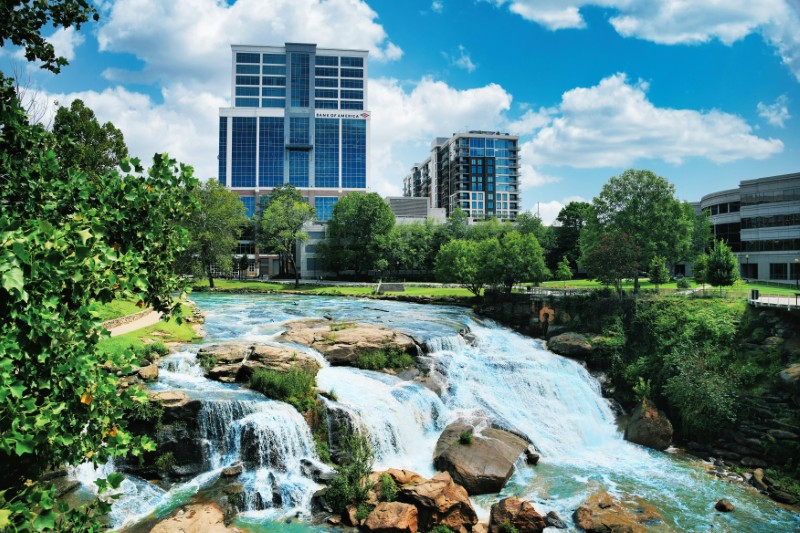
The downtown is walkable and well-developed, the surrounding areas offer space and greenery, and the housing stock is evolving to match growing demand.
Higher-end homes here tend to emphasize comfort and livability over flash, which aligns with what many buyers are now looking for.
It’s not trying to compete with major metros. And that’s precisely why it works.
Columbus, Ohio is part of the Midwest’s quiet glow-up
Columbus doesn’t always show up in luxury conversations, but it’s increasingly part of the picture.
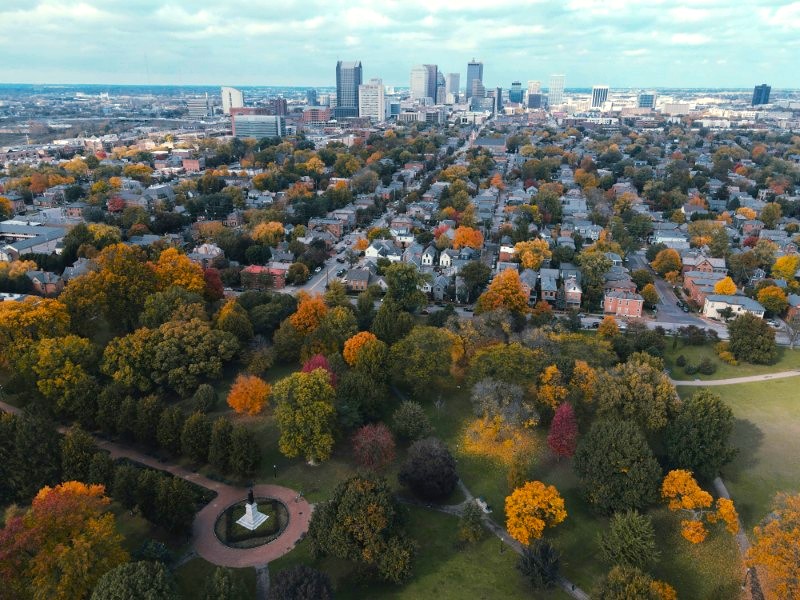
The city’s growth, combined with a steady economy and expanding housing options, has created room for higher-end development. Larger homes, newer builds, and well-established neighborhoods offer a version of luxury that prioritizes space and practicality.
It lacks the hype of faster-growing markets, but that also means it hasn’t been priced out in the same way.
Tampa, Florida is expanding beyond its “secondary city” label
For years, Tampa sat just outside Florida’s primary luxury markets. That’s starting to change.
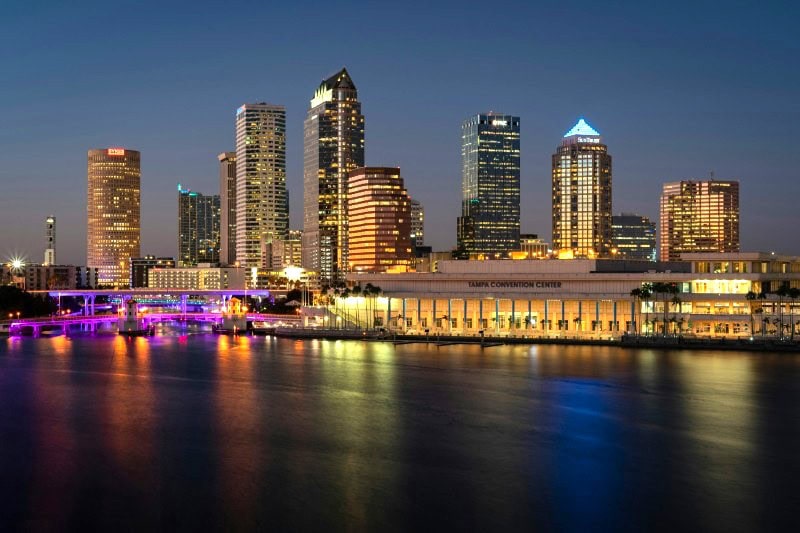
An influx of buyers, combined with new residential development, has elevated both pricing and expectations.
Waterfront properties, modern builds, and lifestyle-focused amenities are becoming more common, pushing the market into a different tier.
It still offers relative value compared to Miami, but the gap is narrowing as demand continues to climb.
What ties these new luxury hotspots together
Despite their differences, these cities share a few common threads.
They offer more space, often newer housing, and a lifestyle that feels easier to access. Many are benefiting from inbound migration, which brings both demand and higher expectations for design and quality.
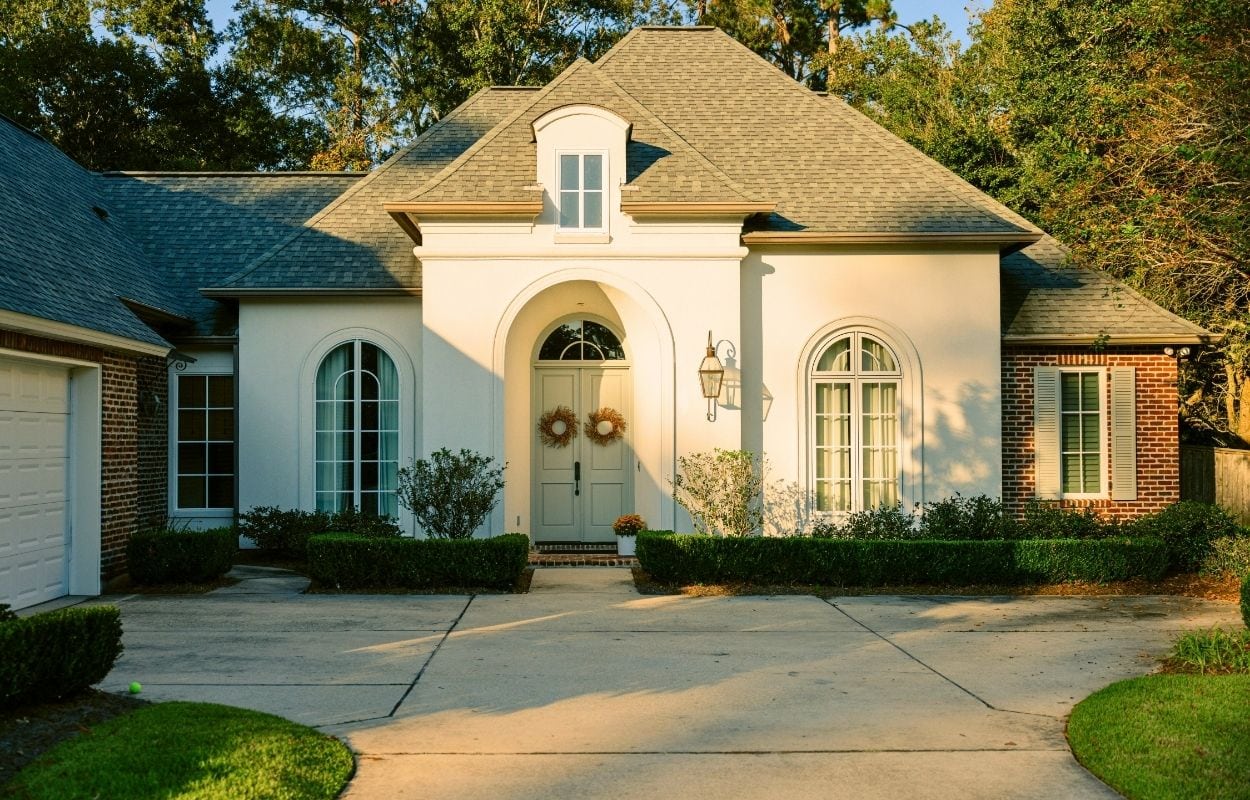
Most importantly, they reflect a shift in what buyers are prioritizing. Prestige still matters, but it’s no longer the only driver. Space, flexibility, and day-to-day livability are playing a much bigger role.
Why they weren’t on the radar five years ago
Not long ago, many of these cities simply didn’t have the inventory or visibility to attract luxury buyers.
High-end homes were limited, demand was more localized, and remote work hadn’t yet expanded the range of viable locations. Without that combination, there was little reason for buyers to look beyond established markets.
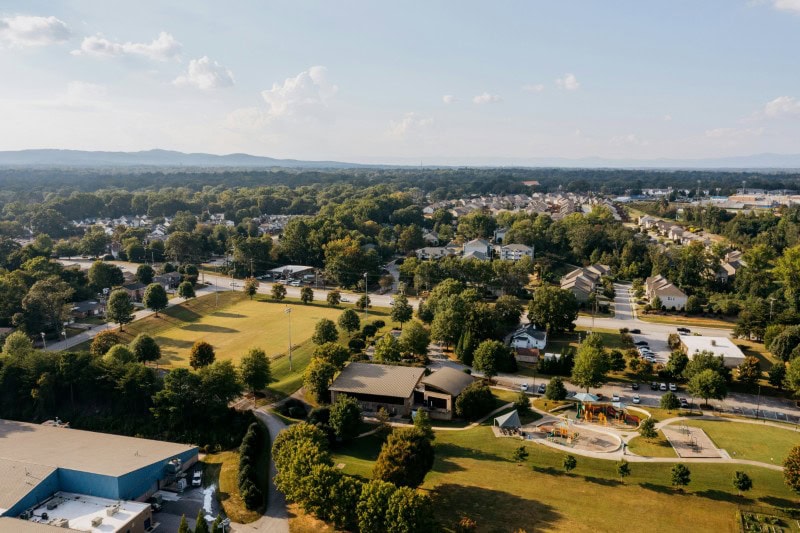
And why some of them may not stay “affordable” for long
As more buyers discover these markets, prices are already moving upward.
Some of these cities are in the early stages of that shift, while others — like Austin — are further along. What they all have in common is momentum, and with it, the possibility that today’s “value” won’t last indefinitely.
In that sense, the cycle is familiar. The difference is where it’s happening.
Luxury hasn’t disappeared, it’s just showing up in places few people were paying attention to not that long ago.
Больше историй
Where $1M still buys you a luxury home in 2026 (and where it doesn’t anymore)
Пост The new luxury real estate hotspots no one was talking about five years ago впервые появился на Дома с модными брюками.

 English