


Понятие «современность» в жилищном строительстве никогда не было чем-то неизменным. То, что когда-то казалось футуристическим, быстро устаревает, а то, что когда-то казалось радикальным, часто становится стандартом, и никто этого не замечает.
За последние 70 лет определение современного дома изменилось вместе с технологиями, культурой, экономикой и повседневной жизнью.
В одни десятилетия современность означала эффективность. В другие — размер, открытость или прозрачность. Иногда это была демонстрация прогресса, иногда — сокрытие сложности. Оглядываясь назад на эти изменения, мы видим меньше о тенденциях в дизайне и больше о том, как люди хотели жить — и что они ценили в то время.
Вот что означало «современный дом» в каждом десятилетии, начиная с 1950-х годов, и почему каждый вариант был актуален в своё время.
1950-е годы: Эффективная планировка, новая бытовая техника и послевоенный оптимизм.
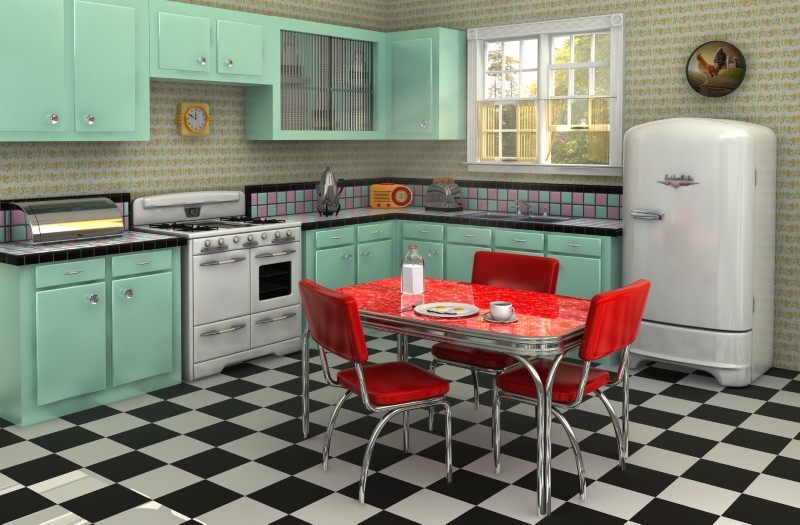
В 1950-х годах современность основывалась на эффективности и прогрессе. Дома проектировались таким образом, чтобы поддержка упрощения домашней жизнис компактной планировкой и четко разграниченными помещениями. Кухни были спроектированы с учетом строгой организации рабочего пространства по принципу «рабочего треугольника», бытовая техника ценилась превыше всего, а используемые материалы отличались чистотой и долговечностью.
Современный дом обещал удобство. Он отражал оптимизм по поводу способности технологий улучшить повседневную жизнь и сократить трудозатраты, особенно на кухне.
1960-е годы: технологии, цвет и растущее чувство индивидуальности.
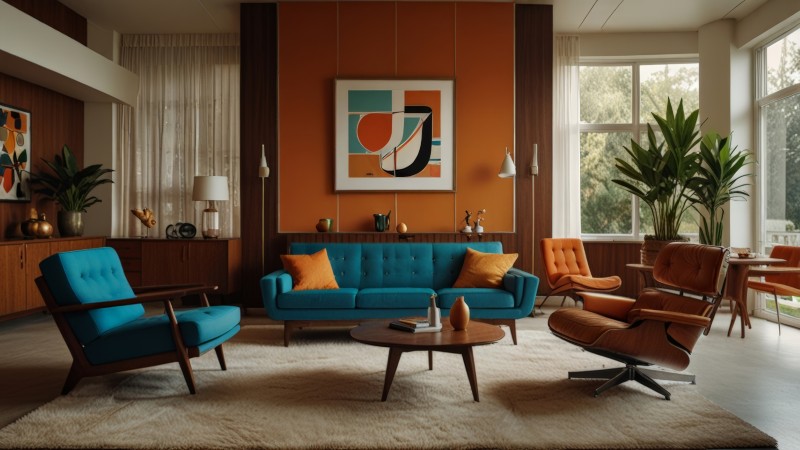
К 1960-м годам современные дома стали более свободными в своих решениях. Бытовая техника стала более интегрированной, материалы — более смелыми, а цвет стал играть серьезную роль. Встроенная мебель, новые подходы к освещению и экспериментальные отделочные материалы отражали готовность к персонализации пространства.
Современность больше не означала Это было чисто функциональное решение, которое также подразумевало выразительность и прогрессивность.
1970-е годы: неформальность, натуральные материалы и дизайн, ориентированный на семью.
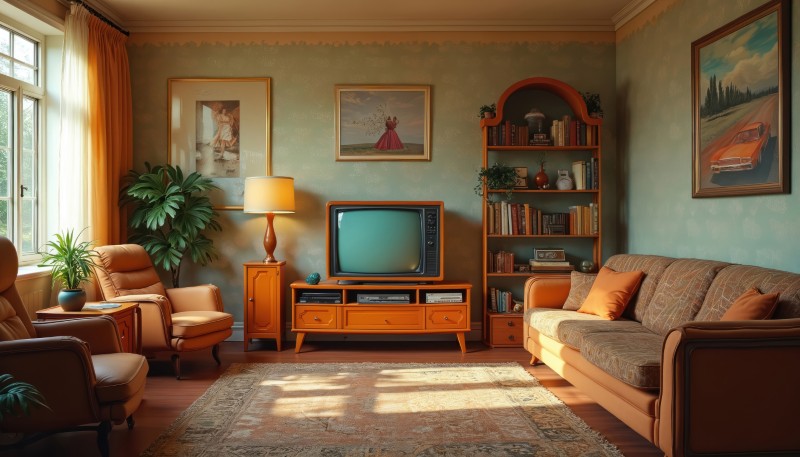
В 1970-х годах современные дома стали более замкнутыми. Начали появляться открытые планировки, хотя зачастую они по-прежнему были частично разделены. Отделка деревом, земляные тона и неформальные обеденные зоны подчеркивали комфорт и семейную жизнь, а не лоск.
Эта эпоха ознаменовала собой отход от жесткой формальности. Современный В доме было уютно и комфортно.и гибкая, хотя и сохраняющая четкие границы между комнатами.
1980-е: Большие пространства, визуальное воздействие и архитектурные решения.
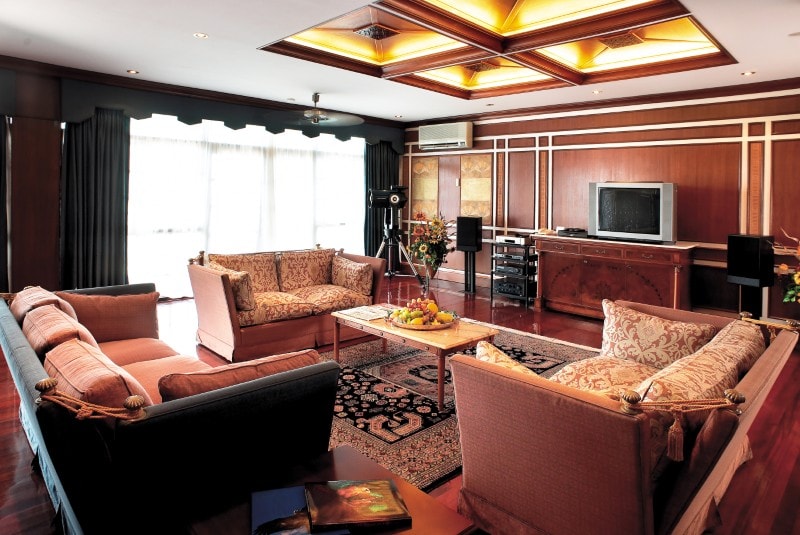
В 1980-е годы понятие современности переосмыслилось через масштаб. Дома стали больше, потолки выше, а архитектурные решения — более эффектными. Двухэтажные вестибюли, огромные окна и просторные жилые зоны свидетельствовали об успехе и амбициях.
Современный означал впечатляющий. Прозрачность имела значение, и дома проектировались таким образом, чтобы их было видно не меньше, чем в них жили.
1990-е: Открытая планировка, непринужденная роскошь и комфорт на каждый день.
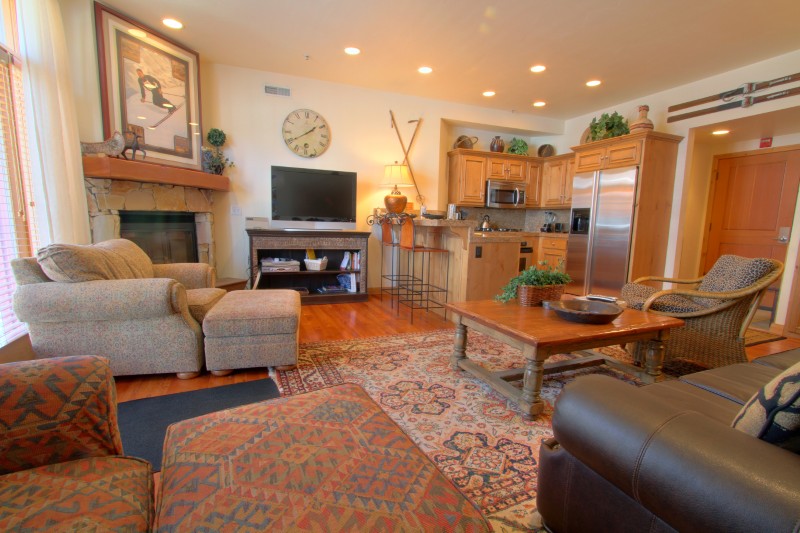
К 1990-м годам современные дома стали ориентироваться на открытость и удобство. Кухни плавно переходили в гостиные, кухонные острова становились местами сбора, а неформальные приемы гостей заменили формальные.
Роскошь в смягченном виде. Современный дизайн делает акцент на плавности линий, свете и комфорте, создавая дома, которые кажутся доступными, но при этом явно модернизированными.
Начало 2000-х: фешенебельные кухни и заметные обновления.
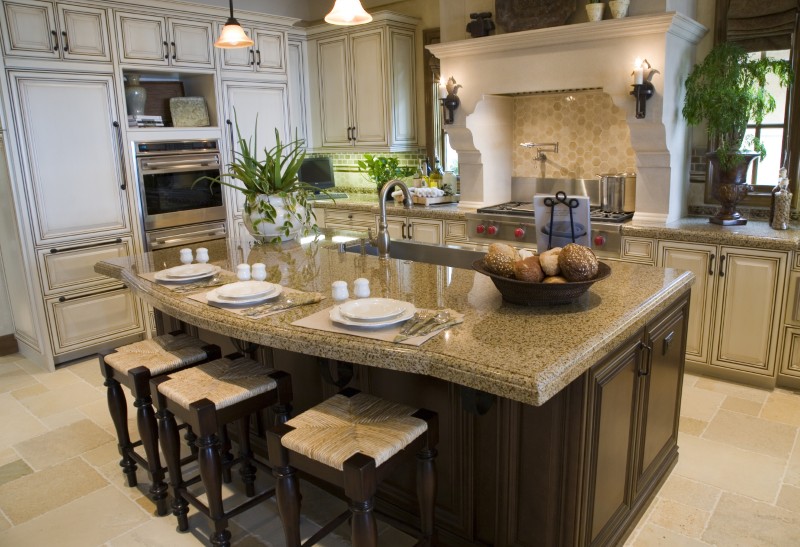
В начале 2000-х годов современные дома В интерьере большое внимание уделялось демонстрации предметов. Бытовая техника из нержавеющей стали, гранитные столешницы, большие кухонные острова и специально оборудованные медиа-комнаты были призваны подчеркнуть успех и современный вкус.
Кухня стала центральным элементом дома, а современность оценивалась по тому, что можно было увидеть — и узнать — с первого взгляда.
2010-е: Интеграция, минимализм и визуальная целостность.
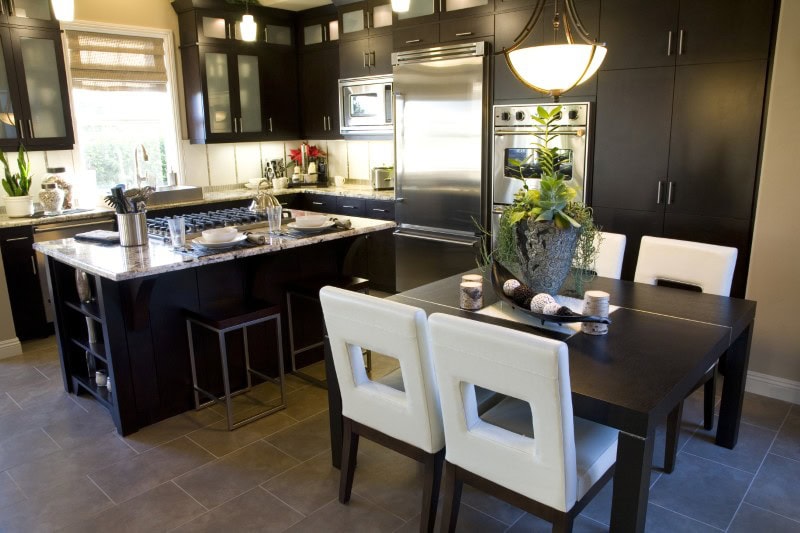
С распространением открытой планировки в современных домах 2010-х годов особое внимание уделялось интеграции. Кухни плавно переходили в столовую и гостиную, отделка в комнатах была согласована, а количество беспорядка сведено к минимуму.
Современный дизайн отдавал предпочтение чистым линиям и единообразию. Целью было визуальное спокойствие, даже несмотря на то, что дома стали выполнять больше функций, чем когда-либо прежде.
2020-е: Сдержанность, комфорт и дома, спроектированные для повседневной жизни.
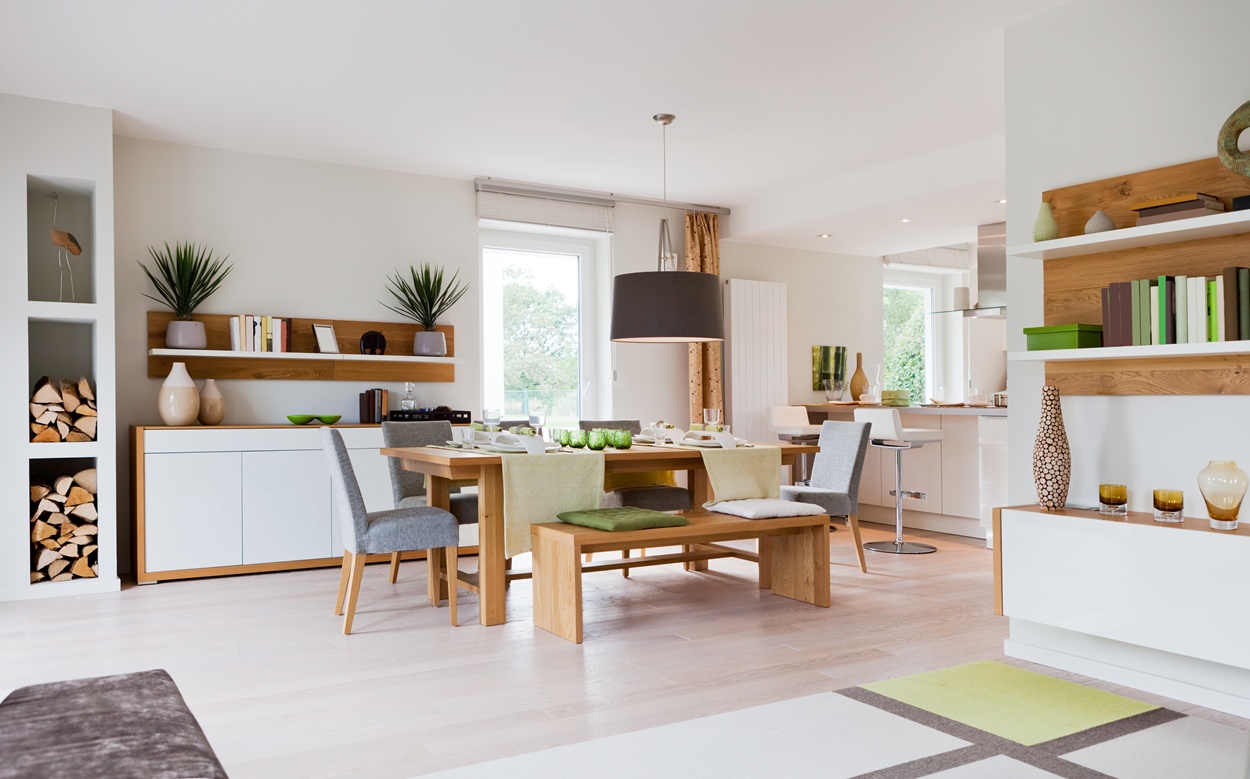
Сегодня современные дома меньше стремятся заявить о себе. Бытовая техника скрыта., лayouts отдают приоритет потоку Вместо зрелищности выбираются материалы, ориентированные на долговечность, а не на эффектность.
Современность сегодня означает комфорт, адаптивность и сдержанную эффективность. Акцент сместился с внешнего вида дома на то, насколько хорошо он поддерживает повседневную жизнь.
Современные дома отражают дух времени.
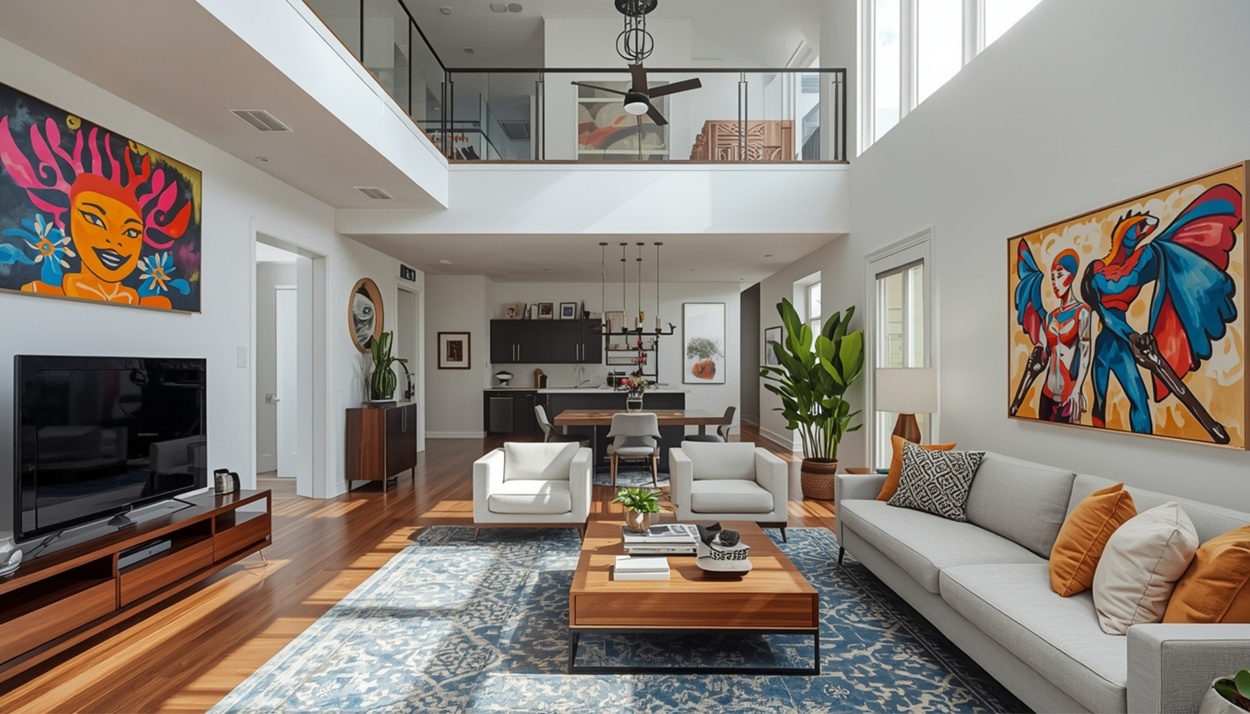
Каждая версия «современности» отражает свою эпоху. Когда технологии казались чем-то новым, дома демонстрировали их во всей красе. Когда жизнь становилась более неформальной, дизайн следовал за ними. По мере изменения ожиданий менялись и пространства, призванные их поддерживать.
То, что сегодня кажется современным, со временем устареет, но основные принципы остаются неизменными. Современные дома всегда реагируют на то, как люди живут сейчас, даже когда они тихо готовятся к тому, что будет дальше.
Больше историй
Дом мечты: 18 современных особняков, которые меняют представление о доме
25 элементов интерьера, которые еще 15 лет назад считались предметами роскоши.
Когда гостиные перестали быть самым важным помещением в доме?
Пост Что означало понятие «современный дом» в каждом десятилетии, начиная с 1950-х годов. впервые появился на Дома с модными брюками.

 English