


Not long ago, a $1 million budget almost guaranteed a certain level of home: generous square footage, high-end finishes, and a location that felt at least a little aspirational.
That’s no longer a given.
In today’s market, $1M can either buy a fully loaded, move-in-ready home with standout features—or something far more modest that just happens to sit in the right ZIP code.
The gap between those two realities has widened quickly, and it’s reshaping what “luxury” even means.
In some parts of the country, a million dollars still stretches far enough to deliver space, design, and amenities that feel genuinely high-end. In others, it barely clears the entry point.
Here’s where that line is being drawn in 2026.
In many coastal markets, $1M is now the starting point, not the goal
In cities like Los Angeles, San Francisco, and parts of New York, $1M doesn’t go nearly as far as it once did.
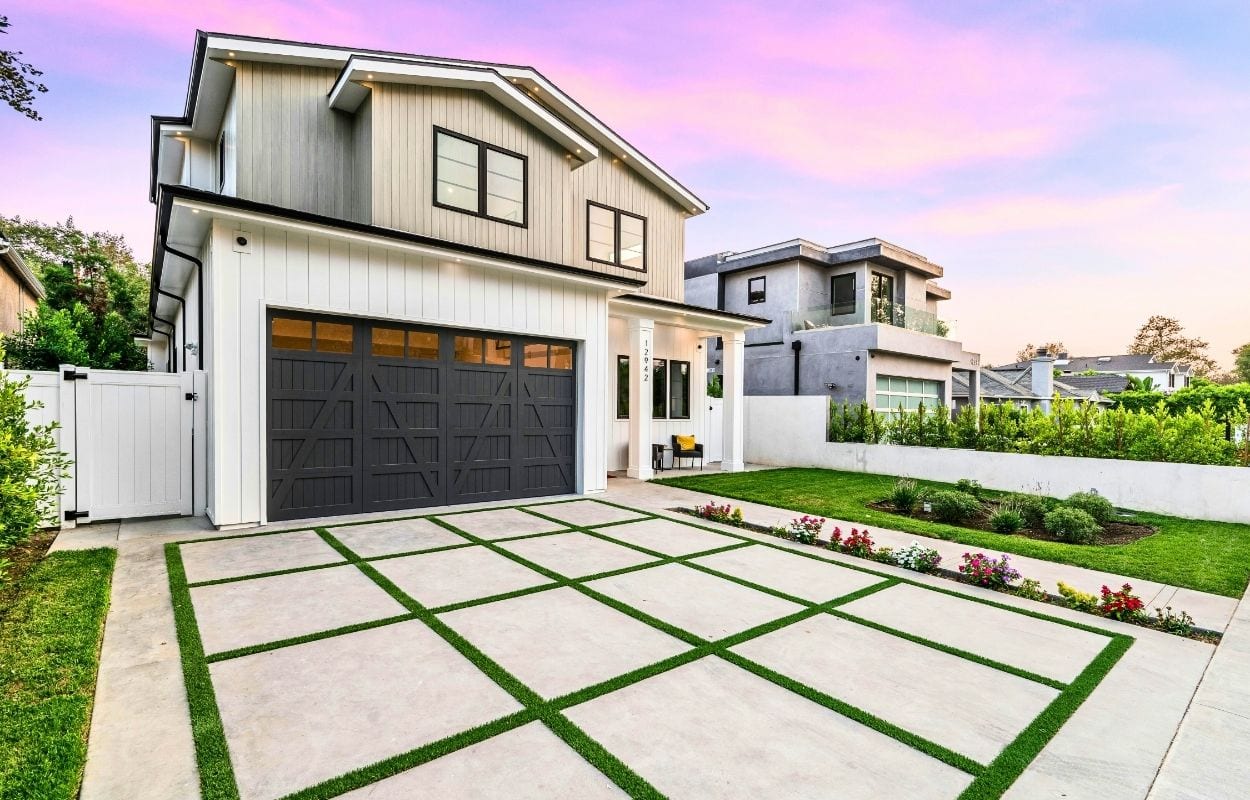
It often means:
- A smaller footprint
- Older construction
- Limited outdoor space
- Or a condo instead of a single-family home
The premium is largely tied to location. Proximity to jobs, culture, and established neighborhoods continues to command top dollar, even when the homes themselves don’t reflect what most people would consider “luxury.”
In these markets, the price tag is about access, not upgrades. Those are highly-desirable, often rare extras in this price range.
The Sun Belt still delivers space, scale, and newer homes
Markets across Texas, Florida, and parts of the Carolinas continue to offer some of the strongest value at the $1M mark.
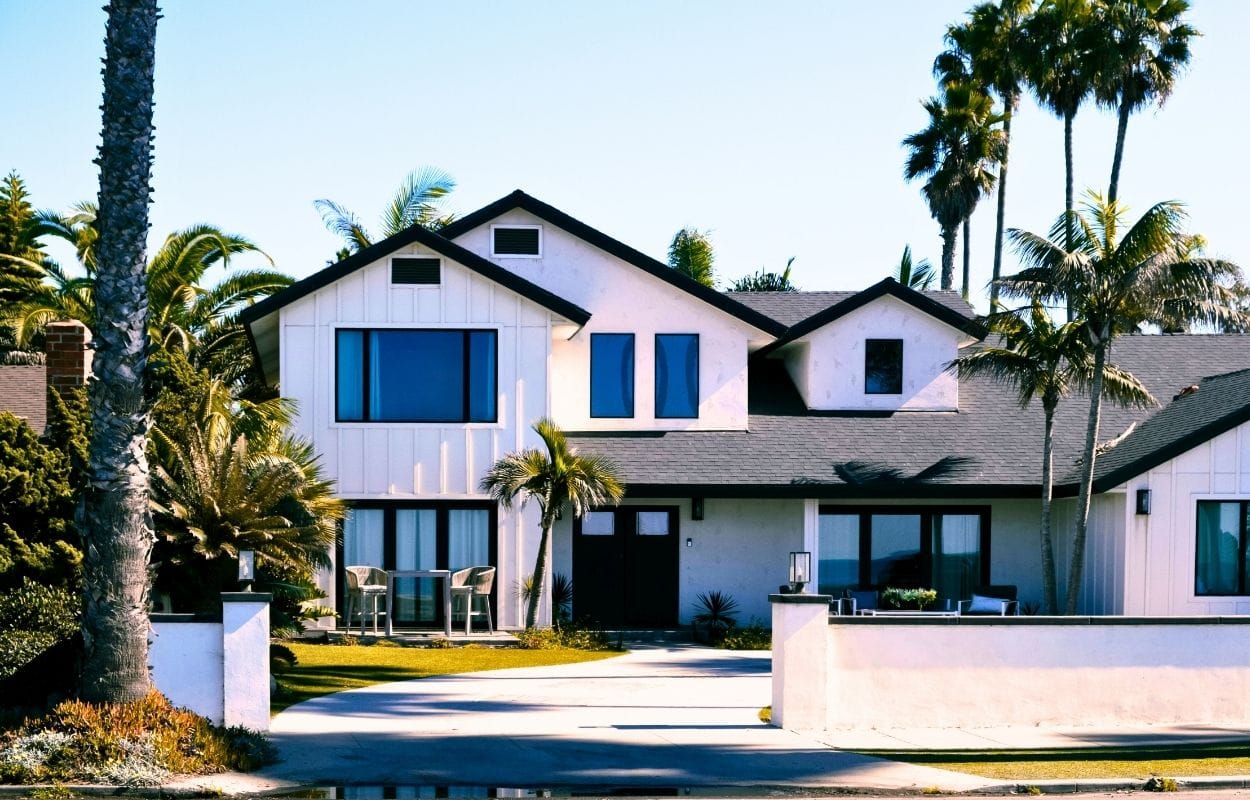
Here, that same budget can often buy:
- Newly built homes with modern layouts
- Larger lots and more outdoor space
- Features like pools, outdoor kitchens, or three-car garages
Cities like Austin, Dallas, Tampa, and Charlotte have seen significant growth, but they still tend to deliver more tangible “luxury” at this price point compared to coastal counterparts.
The tradeoff is often climate, density, or distance from older, established urban cores; but for many buyers, the value equation still works.
The Midwest remains one of the last strongholds of “true” affordability
In much of the Midwest, $1M still carries real weight.
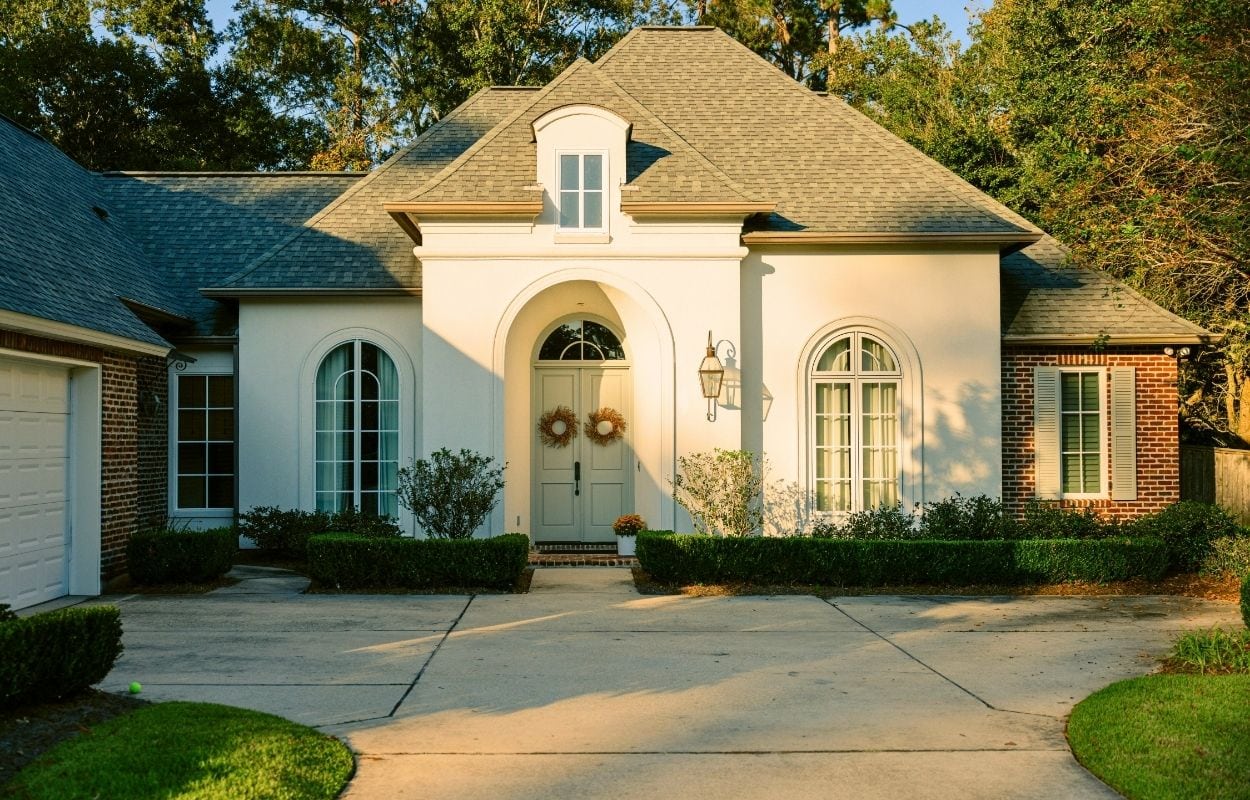
In cities like Chicago, Minneapolis, and Columbus — and especially in surrounding suburbs — that budget can translate into:
- Substantial square footage
- Высококачественная отделка
- Larger properties in established neighborhoods
These homes often check traditional luxury boxes: space, quality materials, and thoughtful layouts. What they lack in coastal cachet, they make up for in livability and value.
For buyers prioritizing the home itself over the location prestige, this is where $1M still feels like a luxury budget.
Mountain and lifestyle markets are increasingly split
Places like Denver, Boise, and parts of Utah and Montana sit somewhere in the middle. And the gap is widening.
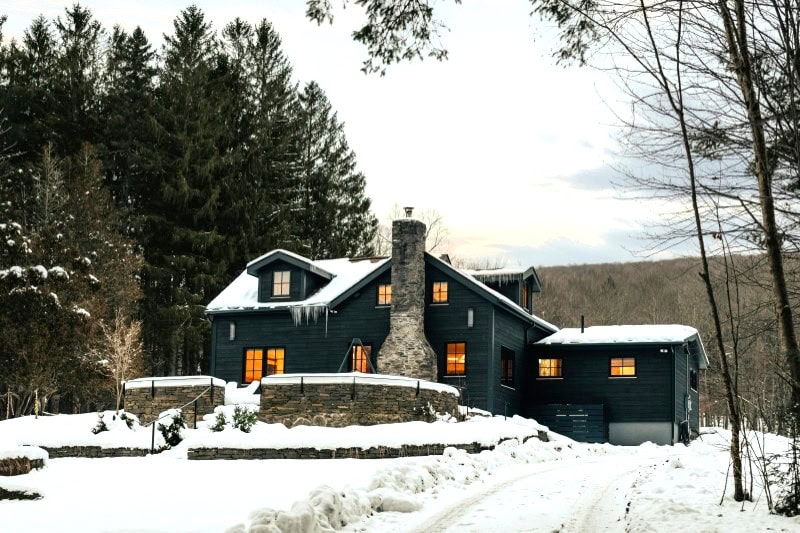
A $1M budget might still secure a well-designed home, but:
- Inventory is tighter
- Demand from out-of-state buyers remains high
- And proximity to desirable outdoor amenities drives pricing up
In these areas, buyers often have to choose between location and features. A home closer to ski resorts or scenic views may come at the expense of size or finishes.
Secondary cities are quietly becoming luxury sweet spots
Some of the most interesting shifts are happening in smaller, fast-growing cities that haven’t fully priced out yet.
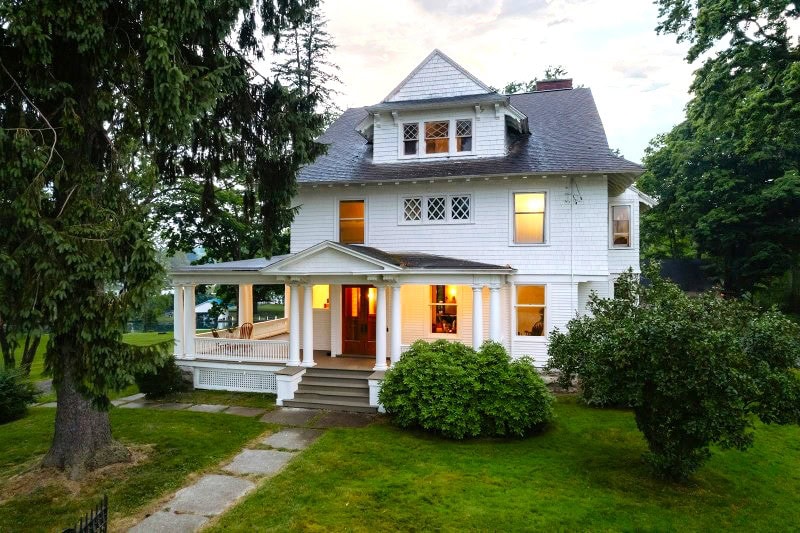
Places like:
- Роли, Северная Каролина
- Nashville, TN
- Канзас-Сити, Миссури
- Indianapolis, IN
…are increasingly offering a balance of:
- Modern housing stock
- Growing job markets
- And relatively accessible price points
In these markets, $1M can still deliver a home that feels current, well-designed, and comfortably above average, without requiring the compromises seen elsewhere.
What “luxury” actually looks like at $1M now
The definition itself is shifting. In high-cost markets, luxury at this price point often means location-driven value, access to desirable neighborhoods, and smaller, well-designed spaces.
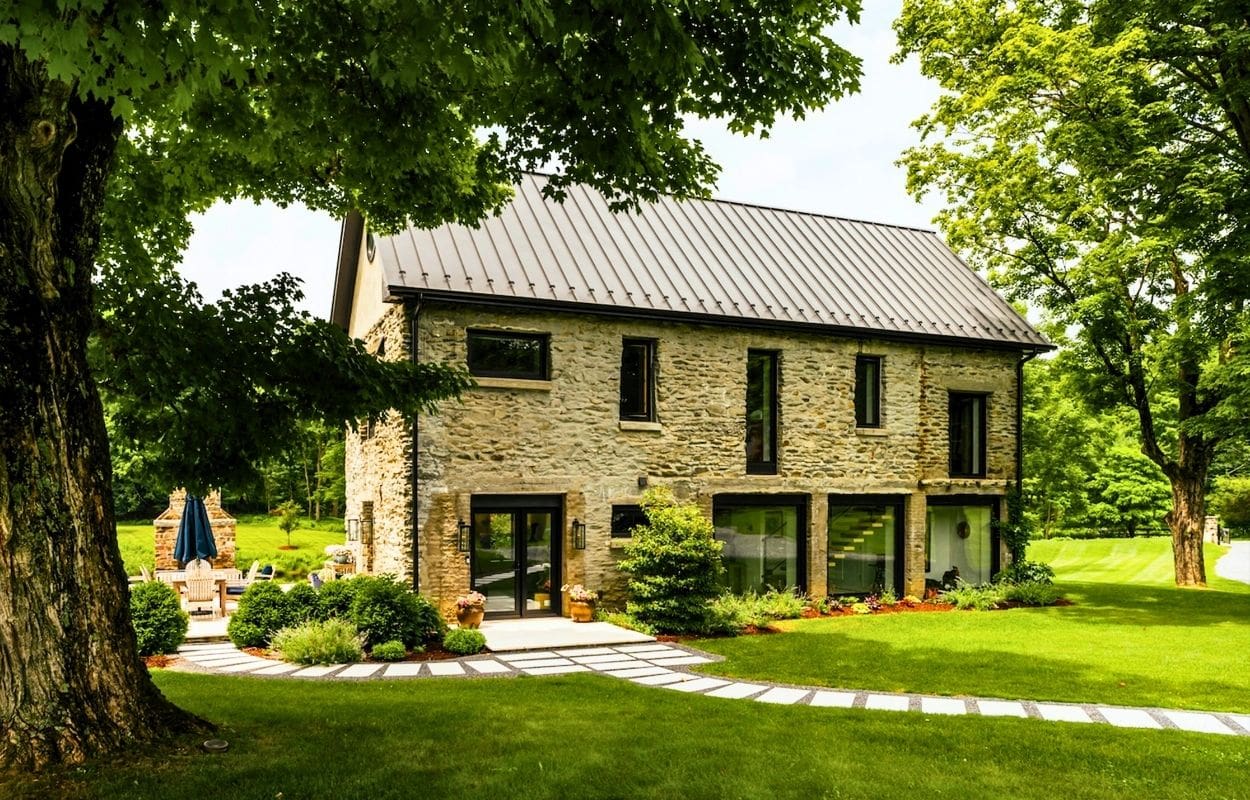
In more affordable regions, it still means size and scale, amenity-rich homes, and newer construction.
Neither is inherently better, it just depends on what the buyer values more.
The gap between markets is only getting wider
Perhaps the biggest takeaway is how uneven the landscape has become.
A $1M budget no longer carries a universal meaning. Instead, it reflects a series of tradeoffs shaped by geography, demand, and local growth patterns.
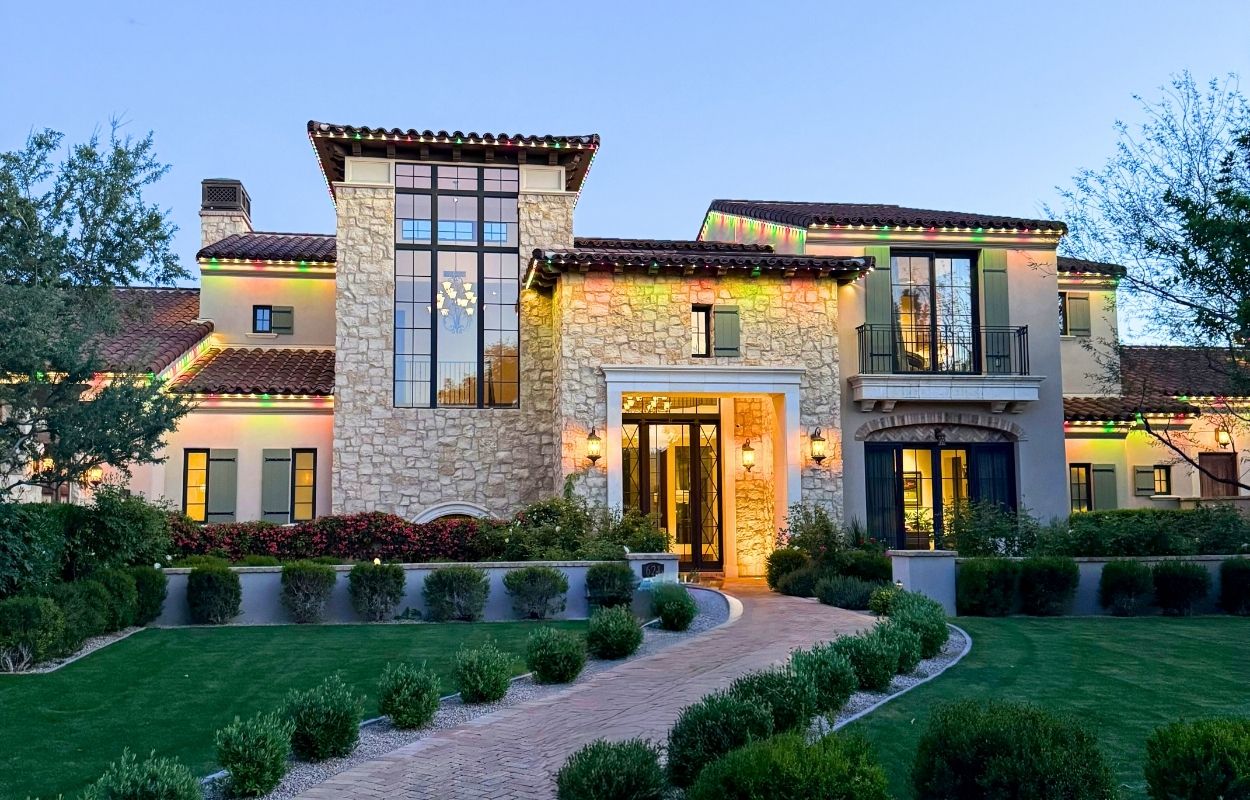
For some buyers, that means adjusting expectations. For others, it means looking beyond traditional luxury hubs and finding value in places that weren’t on the radar a decade ago.
Either way, the idea of what a million dollars “should” buy is no longer fixed. And that shift is redefining the housing market in real time.
Больше историй
Five-figure upgrades seen in $10M homes that cost under $5K to replicate
19 things you only see in homes built for private wealth
Пост Where $1M still buys you a luxury home in 2026 (and where it doesn’t anymore) впервые появился на Дома с модными брюками.

 English