


В наше время существует определенный вид усталости, которому пока нет названия, — но каждый узнает его, когда чувствует.
Это то самое чувство усталости и нервозности после слишком большого количества уведомлений, слишком долгого пролистывания ленты, слишком многих моментов «просто проверяю одну вещь», которые почему-то превращаются в 45 минут. Даже отдых может начать казаться работой, когда интернет следует за людьми в каждую комнату дома.
А в последнее время наблюдается небольшой, но показательный сдвиг: развлечения в офлайн-формате начинают казаться… привлекательными. Не в смысле «переезжай в лес и сбивай масло», а в более реалистичном, современном смысле.
Всё больше людей заново открывают для себя привлекательность старомодных, простых в использовании развлечений: колода карт на журнальном столике, настольная игра, готовая к игре, стопка книг под рукой. И да, даже скачанные на телефон игры, работающие без Wi-Fi, которые люди держат под рукой для перелетов, отдыха на даче или тех вечеров, когда интернет решает испортить все планы.
Это не просто ностальгия. Это изменение образа жизни, и самые дорогие дома на рынке все чаще проектируются с учетом этого.
Новый Flex позволяет отключаться от сети, не скучая.
Долгие годы быть «подключенным» было нормой: всё «умное», всё управляется приложениями, всё транслируется онлайн. Это было удобно… пока не стало постоянным.
Теперь маятник качнулся в другую сторону. Отключение от гаджетов стало новой личной роскошью; не потому, что модно отказываться от технологий, а потому, что люди хотят отдохнуть от постоянной жизни в бешеном ритме.
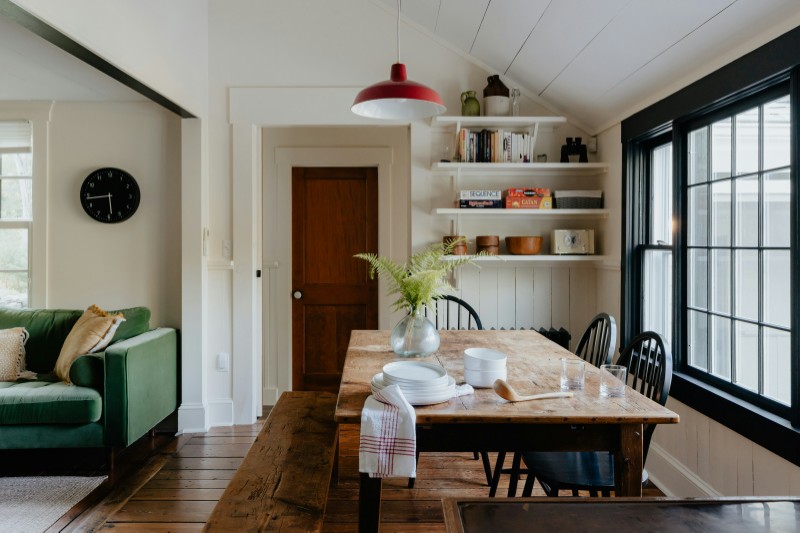
Вот почему офлайн-хобби снова начинают набирать популярность. повседневная домашняя жизнь.
Карточные игры, пазлы, шахматы, фишки для маджонга, виниловые пластинки — это уже не просто «милые» вещи. Они становятся популярными развлечениями для ужинов с друзьями, семейных посиделок и тихих вечеров дома. Это тот вид развлечений, для которого не требуется регистрация аккаунта, заряженный пульт или буферизация.
И в каком-то смысле они также тесно связаны с домом. Потому что развлечения вне сети — это не то, что хранится в кармане, а то, что находится в определенном пространстве.
Игровые комнаты больше не являются чем-то второстепенным, что придумали в подвале.
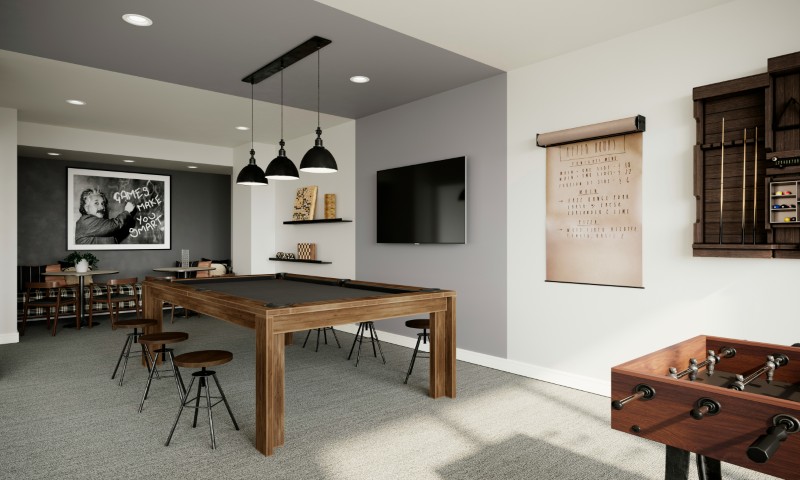
Было время, когда игровые комнаты отличались очень специфической атмосферой: отделанный подвал, неоновая вывеска с названием пива, бильярдный стол, а если дело доходило до серьезных игр, то, возможно, и дартс.
Сегодня в сегменте элитной недвижимости применяется другой подход. В лучших домах класса люкс развлекательные зоны рассматриваются как дизайнерская особенность, а не как нечто второстепенное.
Вместо «дополнительных комнат» покупатели получают:
- Специально оборудованные зоны отдыха со встроенными диванами.
- Барные стойки с эффектными каменными прилавками
- Приглушенное освещение, которое действительно выгодно подчеркивает красоту помещения.
- Уютные медиа-зоны, где люди могут посидеть и пообщаться.
- Скрытое хранилище, упрощающее уборку.
И цель выходит за рамки простого приема гостей. Эти пространства созданы для того, чего, по словам людей, им нужно больше: качественного времяпрепровождения.
Это такое помещение, где легко чередовать занятия — покер в один вечер, настольные игры в другой, фильм после этого, а может быть, и непринужденная карточная игра с друзьями под музыку. Развлечения, доступные в офлайн-режиме, идеально вписываются в общую картину, будь то стильный набор для нардов или скачанное приложение. tongits pinoy offline version Готово для всех, кто любит карточные игры с цифровым уклоном.
Дома для отдыха практически нуждаются в развлечениях вне сети.
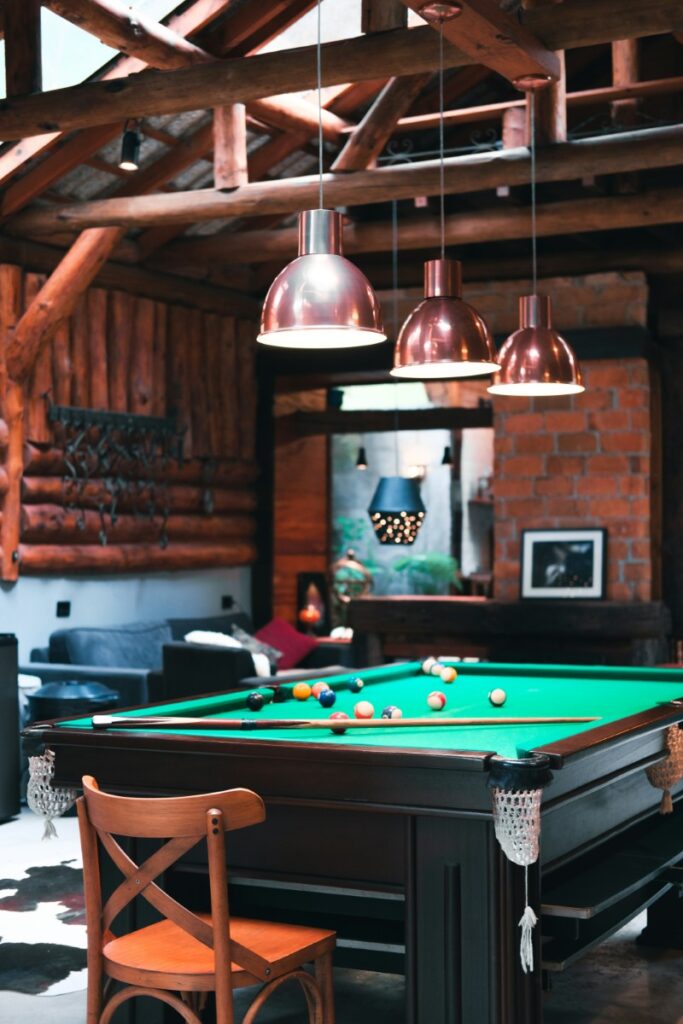
Если и есть какой-то тип недвижимости, где развлечения вне сети никогда не выходят из моды, то это дома для отдыха.
Дома на берегу озера, хижины, домики на пляже, горные уединенные места — у всех них есть одна общая черта: они располагают к неспешному отдыху. Это места, где дни тянутся немного дольше, и никто не паникует, если телефонный звонок остается без ответа в течение часа.
И давайте будем честны: Wi-Fi не всегда является частью фантазии. Иногда он работает с перебоями. Иногда он пропадает совсем. Иногда он есть, но весь смысл пребывания там заключается в том, чтобы притворяться, что его нет.
Вот почему лучшие дома для отдыха как правило, запасы для жизни вне сетиОбычно все становится очевидным, как только люди входят:
- Большой обеденный стол, который так и манит провести вечер за играми.
- Корзины с картами и настольными играми в гостиной
- Камин, который превращает всё в «развлечение».
- полки, которые служат не только для красоты.
Развлечения вне сети привлекательны отчасти потому, что они социальные. Они создают уют. И они оживляют дом так, как не могут пассивные развлечения.
Секрет успеха — это «зона для игровых вечеров» (а не куча хлама).
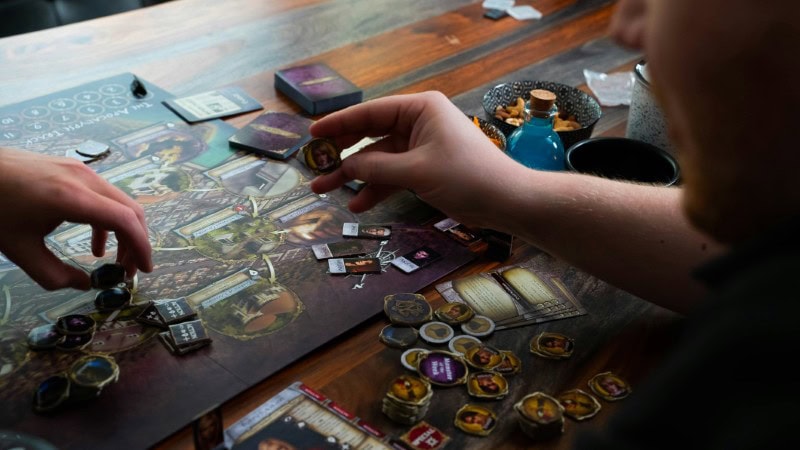
Самое приятное в возвращении офлайн-развлечений — это то, что для этого не требуется капитальный ремонт (или специально отведенная игровая комната).
Для этого требуется лишь намерение.
С точки зрения дизайна, это разница между «вещами, которые люди делают» и «вещами, которые люди хранят». В домах, где лучше всего удается воплотить тренд на офлайн-стиль жизни, обычно выделяется небольшая зона, которая идеально подходит для игровых вечеров.
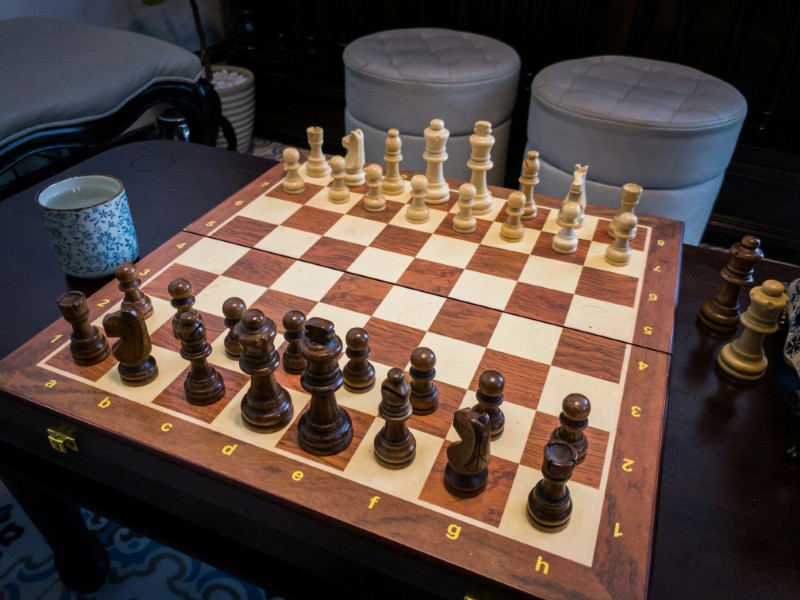
Unsplash
Упрощенный вариант выглядит так:
- Журнальный столик, на котором действительно можно разместить карты (а не только декоративные книги).
- Лоток или ящик для колод карт, фишек, карандашей и блокнотов для подсчета очков.
- Удобные кресла, которые не причинят никому дискомфорта после 20 минут отдыха.
- Освещение достаточно яркое для игры, но не резкое.
Это небольшое изменение, но оно меняет то, как используется пространство. И как только в доме появляется зона, где «мы проводим время», развлечения вне дома становятся нормой, а не редким событием.
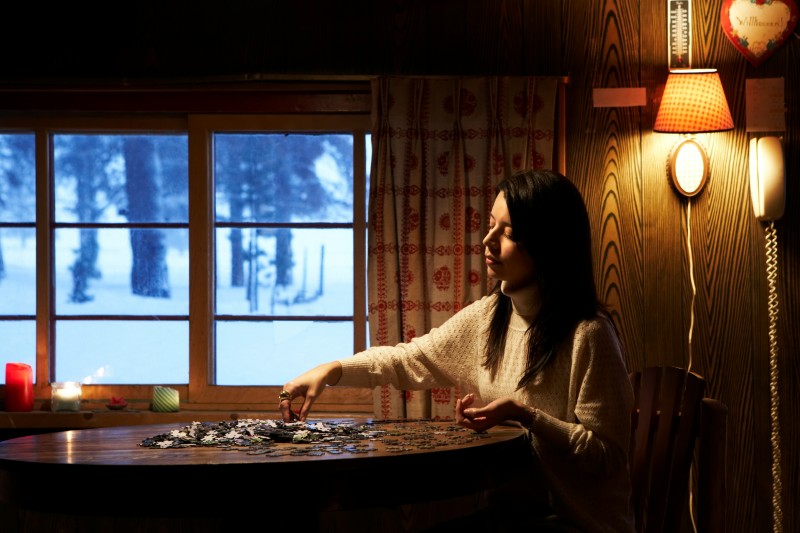
Потому что, в конце концов, люди не хотят просто так отключаться от сети.
Они хотят того, что обычно дарит жизнь вне сети: спокойные вечера, настоящие разговоры и дом, в котором чувствуешь себя как дома — играя в карты или собирая пазлы по кусочкам.
Больше историй
Улучшите свое игровое пространство: как создать потрясающую игровую обстановку дома
Новый дом Даниэля Негреану в Лас-Вегасе: место отдыха легенды покера.
Когда гостиные перестали быть самым важным помещением в доме?
Пост Почему развлечения вне сети внезапно снова стали модными (и почему для этого строят элитные дома) впервые появился на Дома с модными брюками.

 English