


There was a time when wealth in America followed a fairly predictable architectural script.
Bigger was better, grand entrances were mandatory, and homes often borrowed heavily from European palaces, villas, and country estates. The goal wasn’t subtlety, it was making an impression.
But the visual language of luxury has changed dramatically over the past few decades.
Features that once defined high-end living, from sprawling McMansions to formal dining rooms and heavily ornamented façades, have gradually given way to a different set of priorities.
Privacy has overtaken prestige. Wellness has become as important as square footage. And many of today’s most coveted homes are designed to feel relaxed rather than imposing.
That doesn’t mean luxury has disappeared. Far from it. In many cases, today’s high-end homes are larger, more sophisticated, and more expensive than ever. They’re simply expressing wealth in different ways.
Here are 15 architectural styles and design approaches that once signaled status — and the modern trends that have taken their place.
McMansions → Modern compounds
In the 1990s and early 2000s, wealth often announced itself through sheer size.
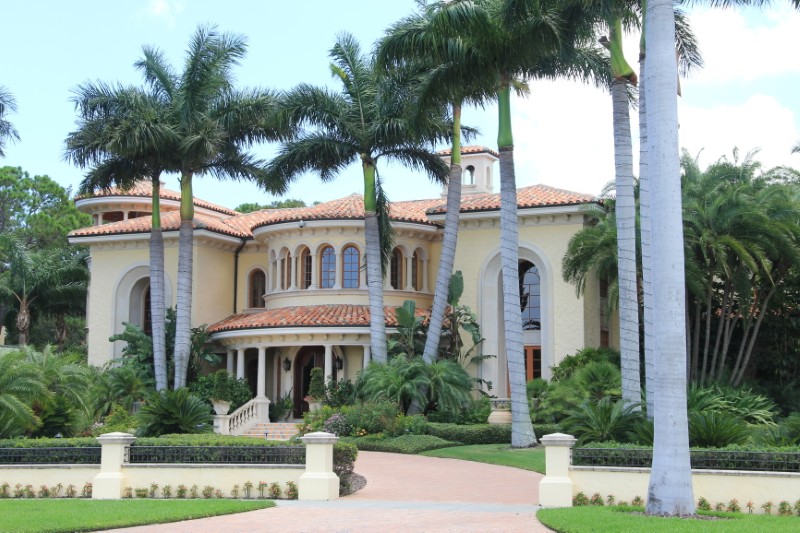
Towering entryways, multiple gables, oversized foyers, and enough rooflines to confuse a drone pilot were all part of the formula.
Today’s affluent buyers are often less interested in looking wealthy than living comfortably.
Instead of one enormous house trying to do everything, many luxury properties now function as compounds, with separate guest houses, wellness pavilions, pool houses, offices, and entertaining spaces spread across the property.
The square footage may be just as substantial, but it’s distributed differently.
Formal estates → Resort-style retreats
Luxury homes once borrowed heavily from European country estates, with formal gardens, reception rooms, and spaces designed to impress visitors.
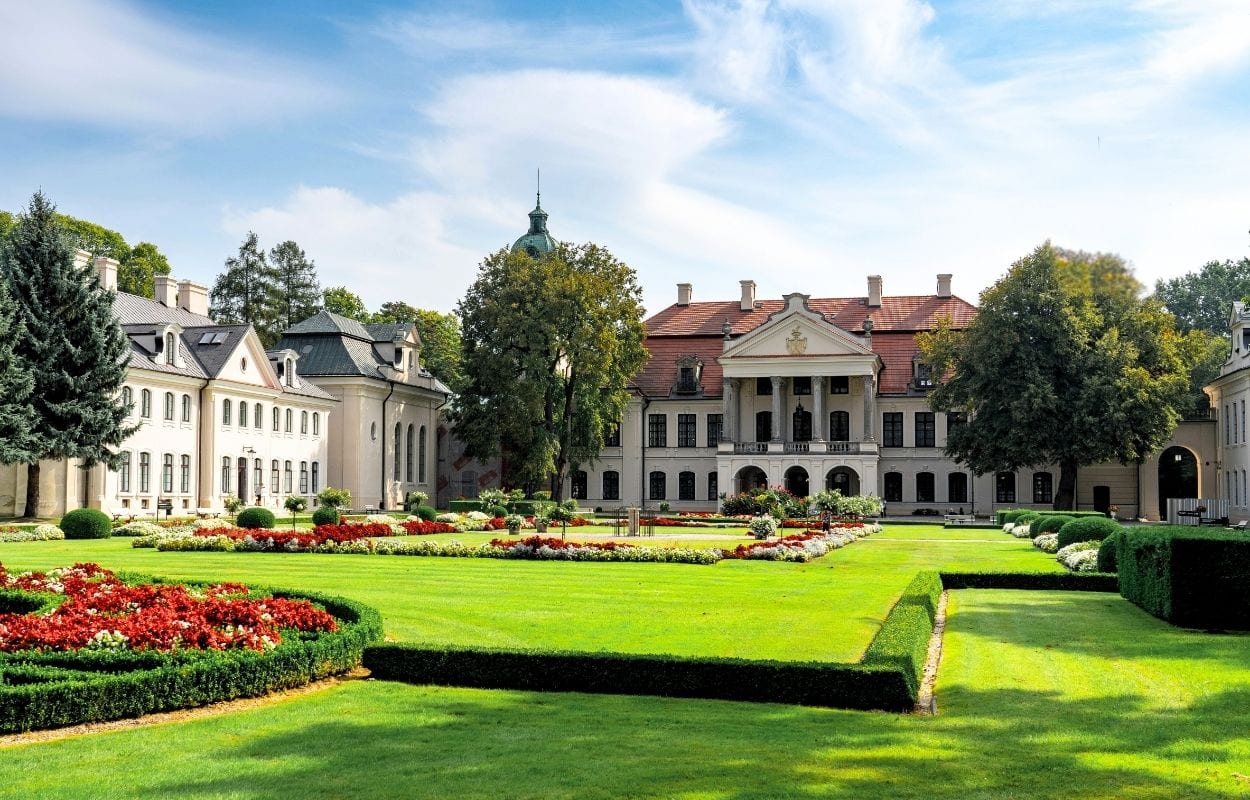
Today’s high-end buyers are increasingly prioritizing relaxation.
Instead of ballroom-inspired interiors, they’re building homes centered around pools, spas, outdoor lounges, wellness facilities, and seamless connections to nature.
The goal has shifted from entertaining guests to enjoying everyday life.
Symmetrical mansions → Asymmetrical modern architecture
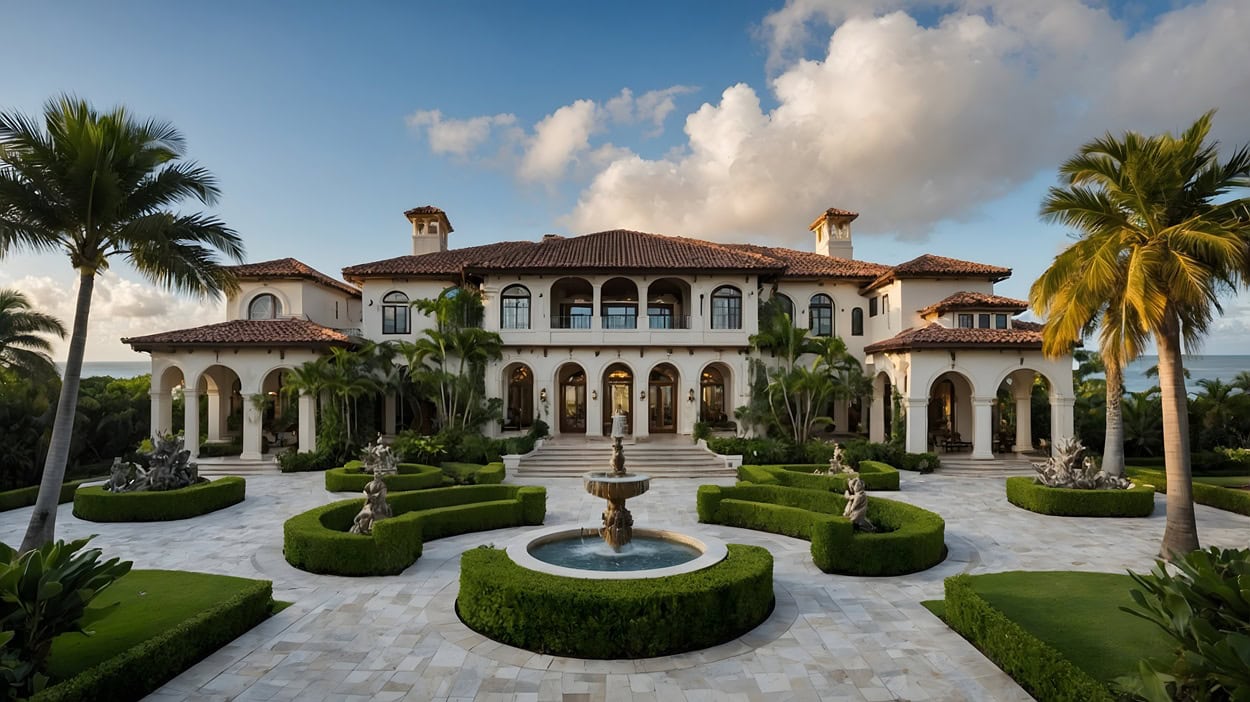
For centuries, symmetry signaled status. If a house looked perfectly balanced from every angle, it suggested careful planning and significant expense.
Много contemporary luxury homes have abandoned strict symmetry in favor of asymmetrical compositions that respond to views, sunlight, privacy, and topography.
What once looked unfinished is now often considered sophisticated.
Tuscan villas → Warm contemporary design
Few styles dominated the 2000s quite like the Tuscan villa. Stone façades, faux-aged finishes, iron scrollwork, and terracotta roofs appeared everywhere.
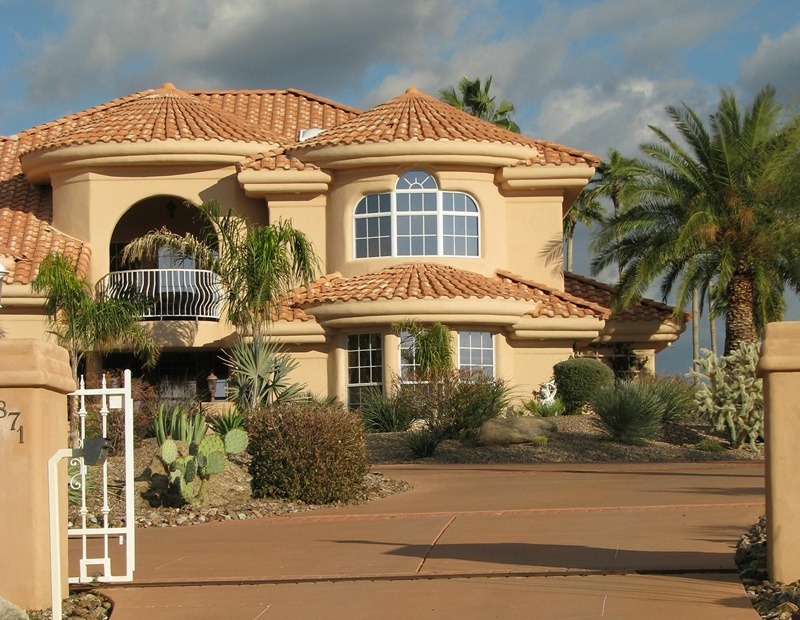
Many luxury buyers have since moved toward warmer contemporary architecture featuring natural stone, oak, limewash, plaster walls, and cleaner lines.
The materials remain rich, but the presentation is far more restrained.
Grand front entrances → Hidden approaches
For years, a dramatic front entrance was essential. Long driveways culminated in massive doors, double staircases, and a clear visual announcement that you had arrived somewhere important.
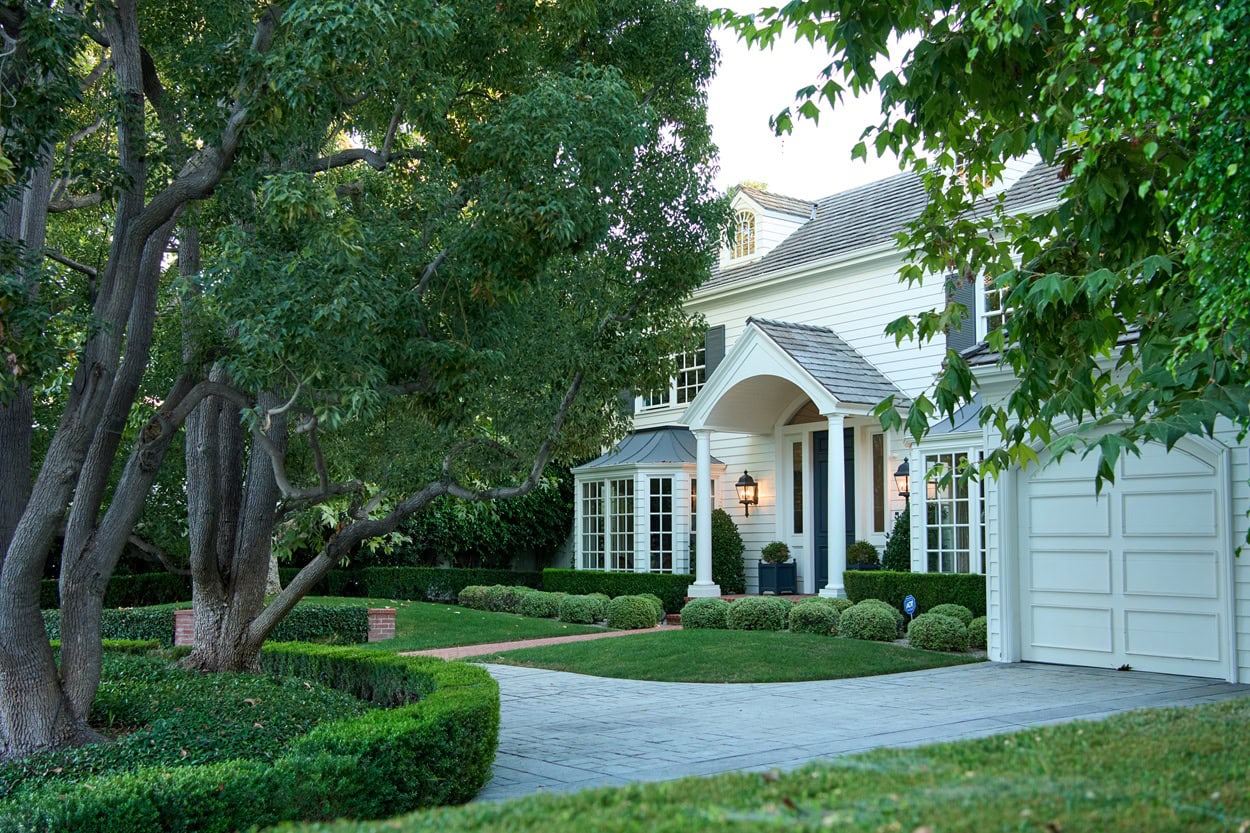
Many newer luxury homes are surprisingly discreet from the street. Entry sequences are often concealed behind landscaping, walls, courtyards, or gates.
Today, privacy frequently outranks spectacle.
Formal living rooms → Flexible gathering spaces
One of the clearest symbols of wealth used to be a formal living room that was rarely used.
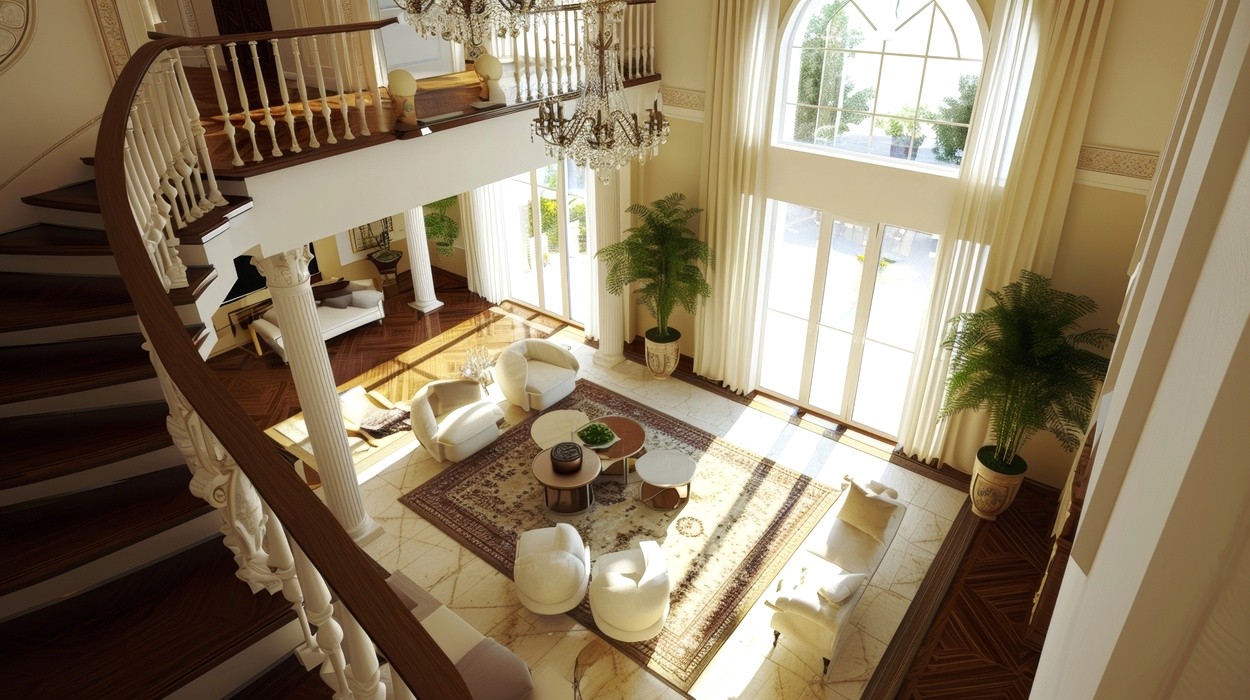
Modern luxury homes increasingly favor spaces that can adapt throughout the day.
Family rooms, lounges, libraries, media spaces, and indoor-outdoor gathering areas have largely replaced rooms reserved for special occasions.
The wealth signal is no longer having extra rooms. It’s having spaces that genuinely enhance daily life.
Massive dining rooms → Hospitality kitchens
Formal dining rooms once occupied prime real estate within luxury homes.
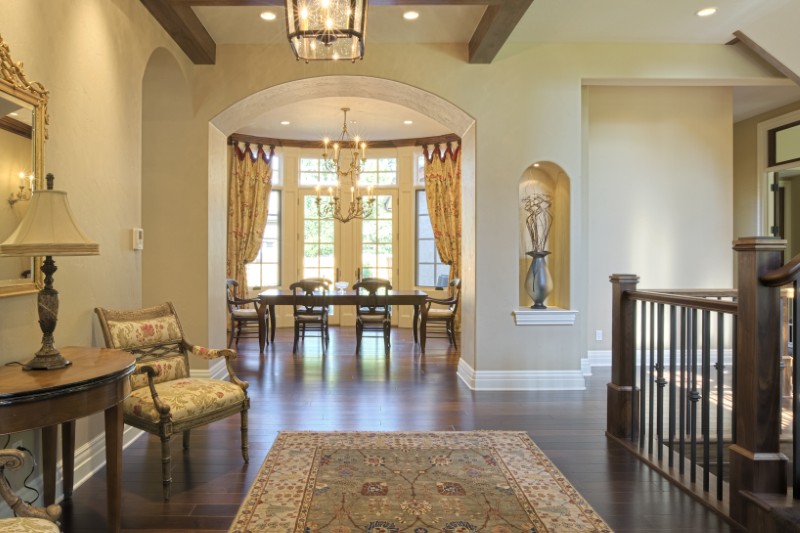
Сегодня, kitchen has become the social center of the house.
Large islands, sculleries, catering kitchens, coffee bars, wine storage, and integrated dining spaces often receive far more attention than a separate dining room.
Luxury now gravitates toward where people actually spend their time.
European-inspired castles → Context-driven architecture
There was a period when wealth often meant borrowing architectural cues from somewhere else: French châteaux in Texas, Italian villas in Arizona, English manors in Florida.
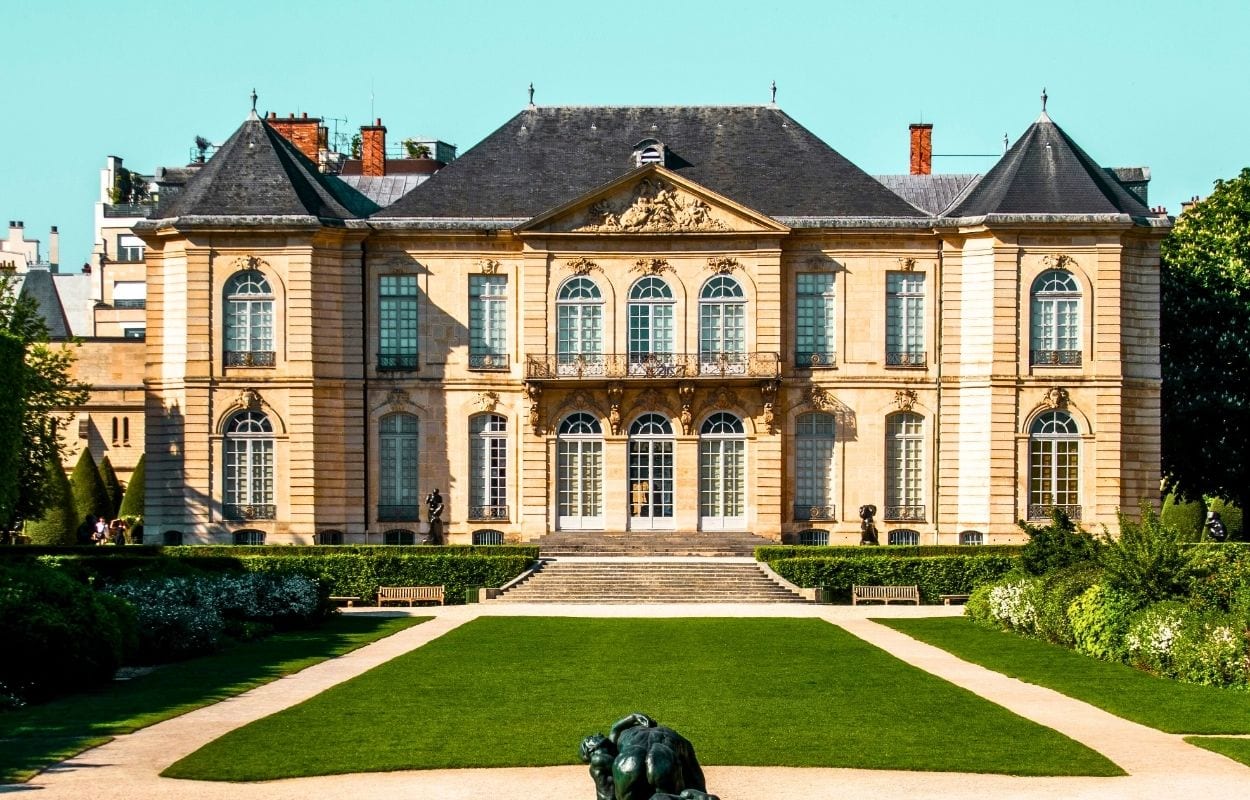
Today’s luxury buyers are increasingly embracing architecture that responds to local landscapes, climates, and materials.
Homes feel less like imported fantasies and more like products of their surroundings.
Elaborate ornamentation → Material quality
Wealth once expressed itself through visible complexity. Moldings, columns, carvings, medallions, and decorative details filled every available surface.
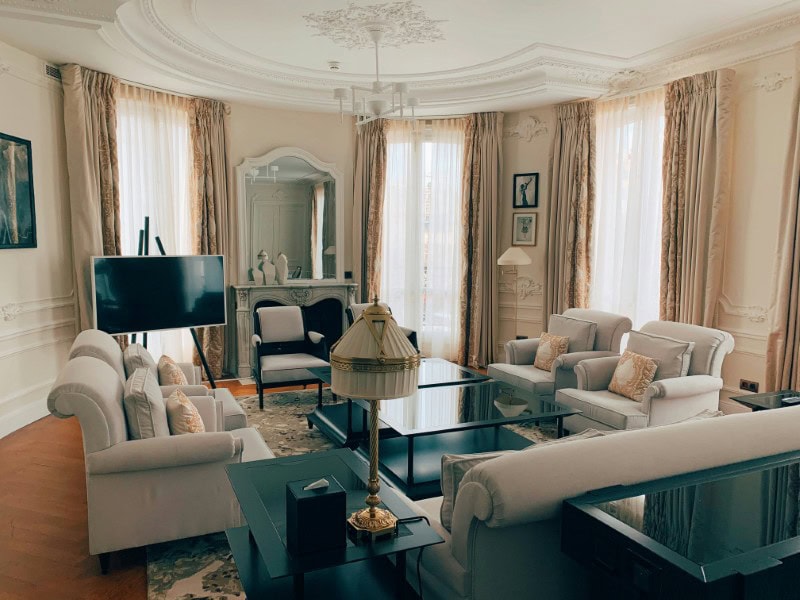
Many contemporary luxury homes take the opposite approach. Simpler spaces highlight premium materials, craftsmanship, and precision.
Instead of showcasing how much was added, they showcase how well things were executed.
Dedicated home theaters → Entertainment ecosystems
Twenty years ago, a dedicated theater with multiple rows of seating was almost mandatory in luxury construction.
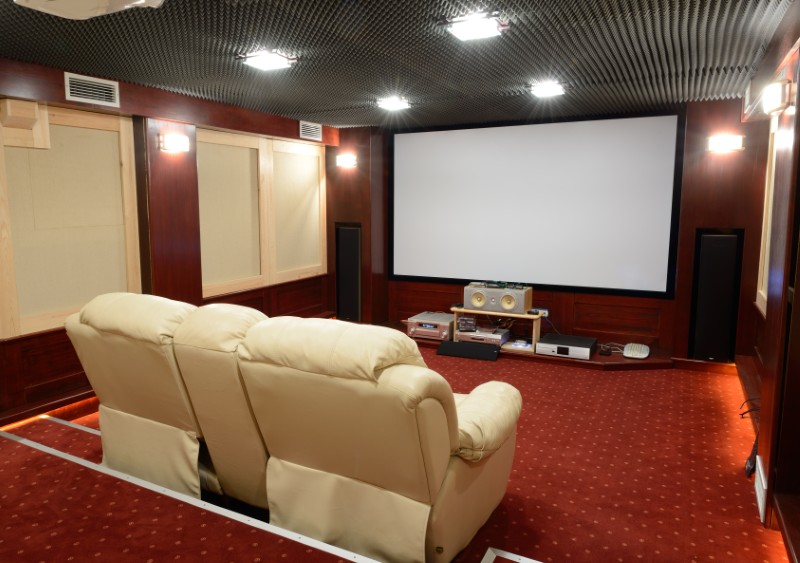
Today, many affluent homeowners prefer more versatile entertainment spaces.
Media lounges, game rooms, outdoor movie setups, golf simulators, and multi-purpose recreation areas have become increasingly common.
Luxury has become more experiential and less specialized.
Oversized lawns → Curated outdoor environments
Large lawns once signaled wealth because they required significant land and maintenance.
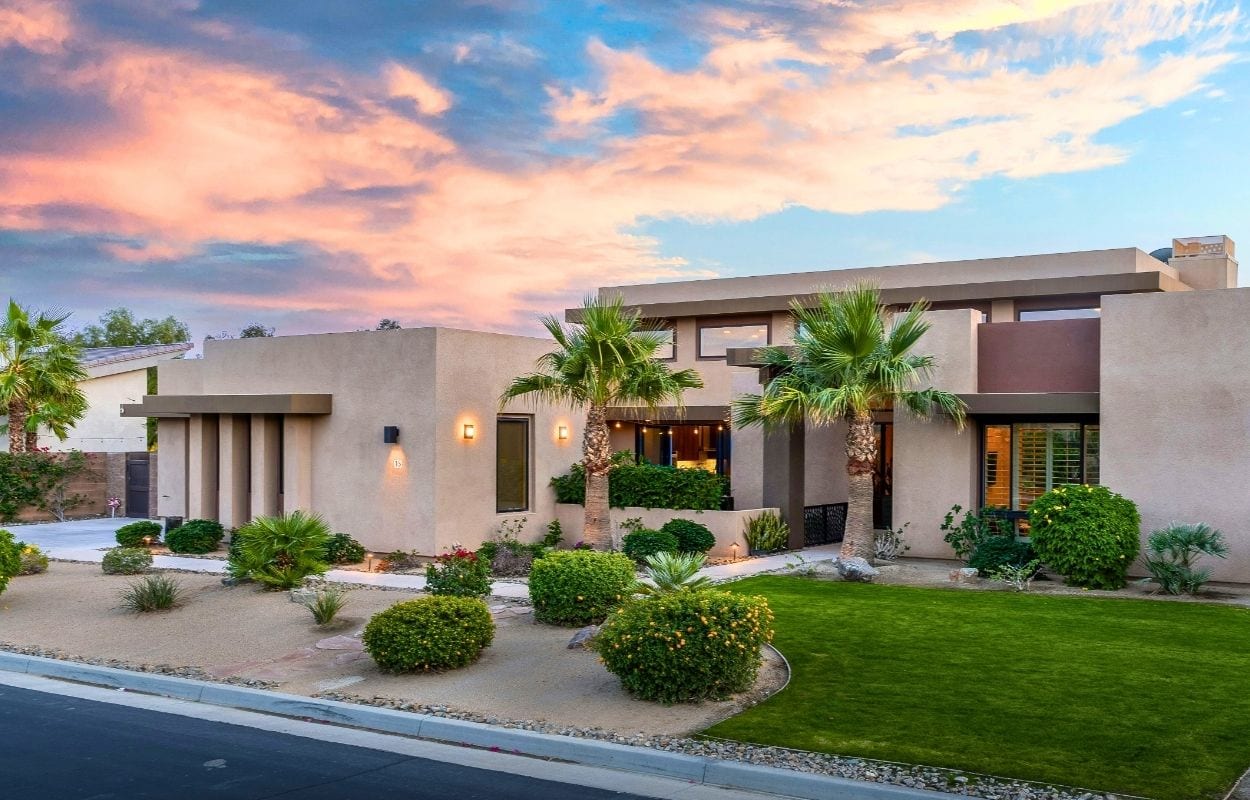
Increasingly, luxury landscapes are being designed around outdoor living rather than empty green space. Pools, courtyards, gardens, outdoor kitchens, fire features, and wellness areas often take priority over sheer acreage.
It’s less about how much land exists and more about how effectively it’s used.
Trophy architecture → Quiet luxury
For years, some luxury homes seemed determined to become local landmarks.
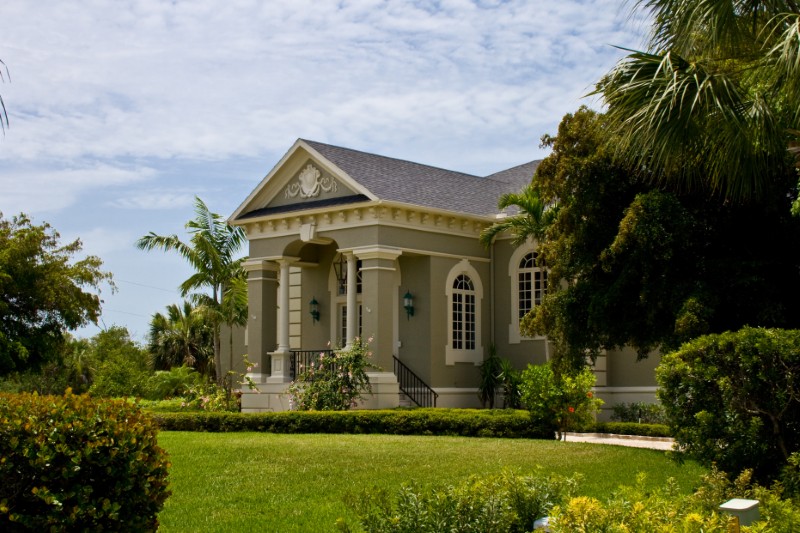
A growing number of affluent buyers now gravitate toward quieter forms of luxury. The architecture may be exceptional, but it doesn’t necessarily demand attention from the street.
The emphasis is increasingly on personal enjoyment rather than public recognition.
Palatial primary suites → Private wellness wings
Luxury bedrooms used to focus on scale. Bigger sleeping areas, larger closets, and more elaborate bathrooms were considered the ultimate upgrade.
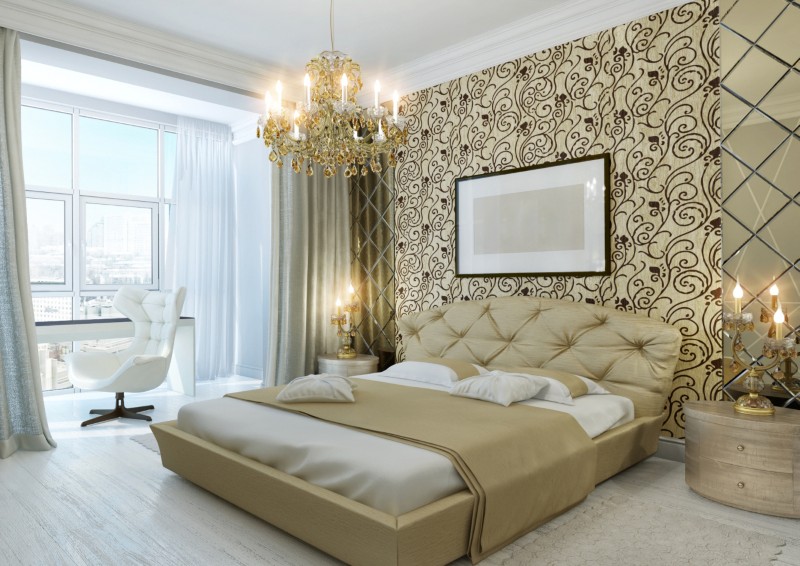
Today’s luxury homes increasingly incorporate wellness-focused spaces: saunas, cold plunges, yoga studios, massage rooms, meditation areas, and private fitness facilities.
The focus has shifted from square footage to quality of life.
Multiple guest bedrooms → Independent guest accommodations
Large homes once measured status by the number of bedrooms they contained.
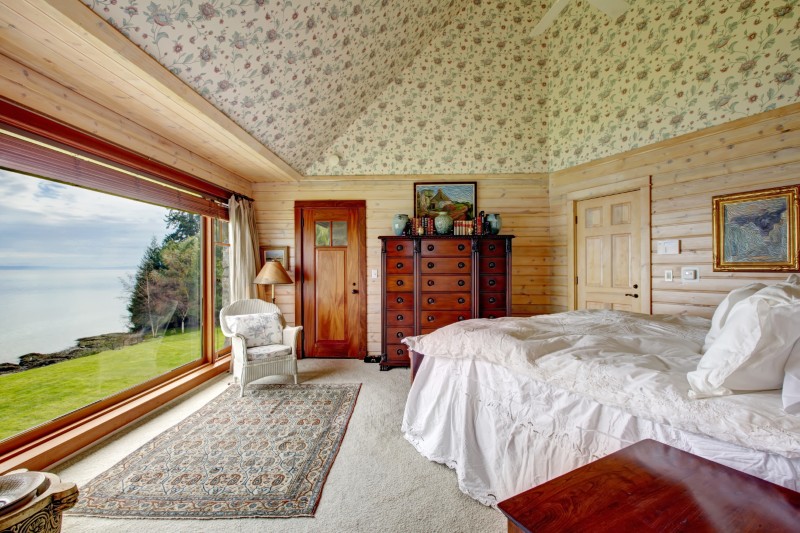
Many luxury properties now include detached guest houses, guest cottages, or separate wings that provide visitors with greater privacy and autonomy.
The experience matters more than the bedroom count.
Houses designed to impress → Houses designed to disappear
Perhaps the biggest shift of all is philosophical.
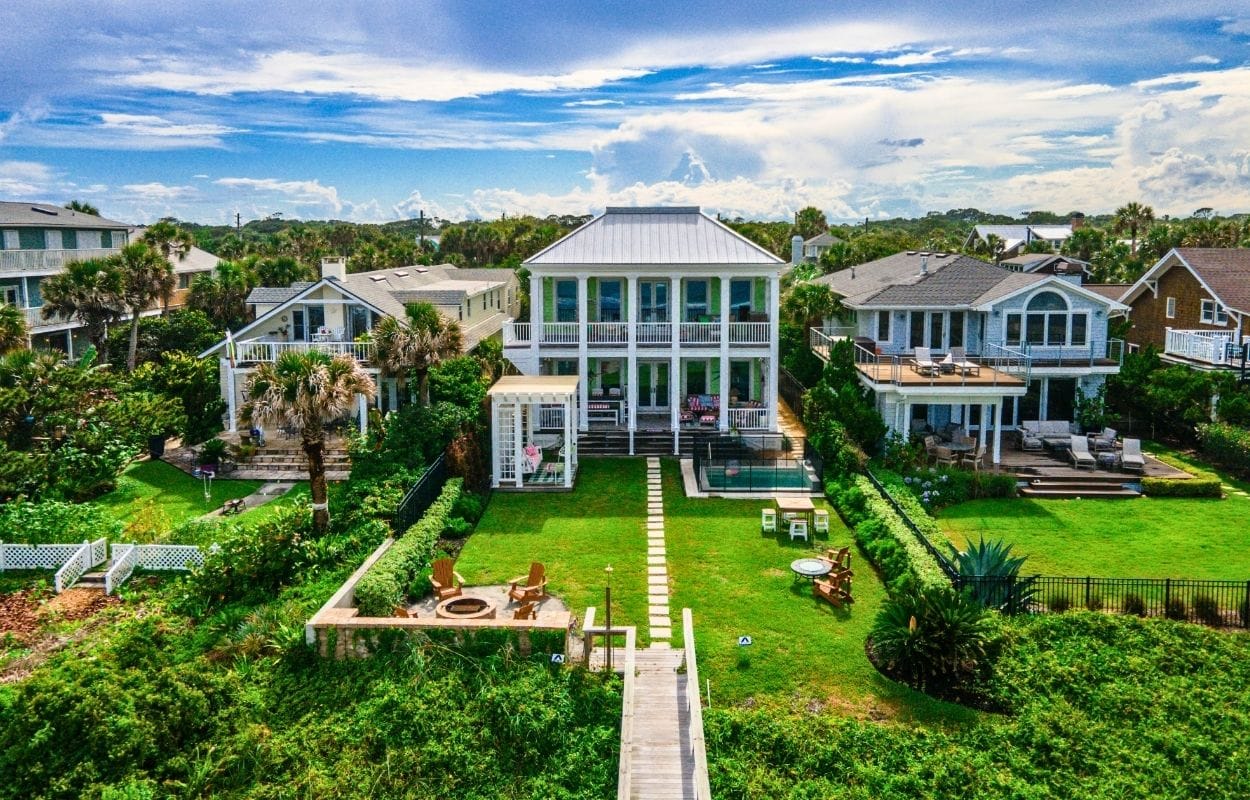
Past luxury often focused on visibility. Bigger, taller, grander, and more elaborate were generally seen as desirable.
Today’s most sought-after homes frequently prioritize privacy, comfort, wellness, sustainability, and connection to nature. They don’t necessarily dominate the landscape. In many cases, they blend into it.
And that may be the clearest sign of how much the definition of luxury has changed. What once looked expensive was designed to be noticed. What looks expensive now often isn’t.
Больше историй
What luxury architecture looked like in every decade since the 1950s
9 знаменитых домов, навсегда изменивших американскую архитектуру
Совершите путешествие во времени в этом сокровище Старой Пасадены, построенном в 1927 году.
Пост 15 architectural styles that used to signal wealth — and what replaced them впервые появился на Дома с модными брюками.

 English